Key Takeaways
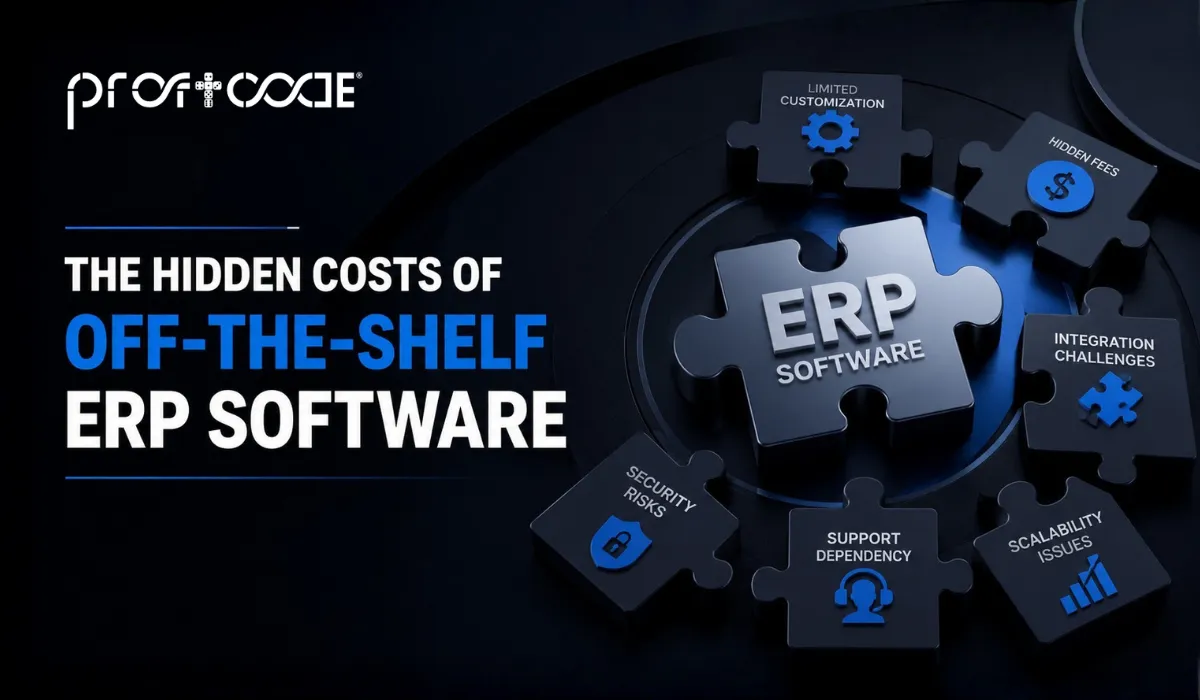
- Off-the-shelf ERP looks cheap on the sales page, but real costs show up after year one, not before.
- Per-user pricing and locked-behind-premium features mean your bill climbs quietly as the team grows.
- Spreadsheets, manual approvals, and side tools appearing around your ERP mean it no longer fits your workflow.
- Exporting your own historical data is made deliberately hard, switching platforms later means starting almost from scratch.
- Growth triggers new pricing tiers, storage surcharges, and per-location licenses you didn’t plan for.
- By year 3-4, ongoing subscription costs can exceed what a custom ERP would’ve cost over its lifetime.
Off-the-shelf ERP software looks great on the sales page. Low monthly price, quick setup, all the features you’ll ever need, or so it seems. And to be fair, for a lot of businesses starting out, it genuinely is a reasonable choice. But somewhere around year two or three, plenty of businesses start noticing costs that never showed up in the original pitch. Not dramatic ones. Just quiet, accumulating expenses that add up to something significant by the time anyone actually sits down and does the math.
This blog examines the hidden costs vendors often don’t advertise and how proper ERP software development can avoid many of them from the start.
The Sticker Price Is Rarely the Real Price
This is the first thing worth understanding. The advertised monthly fee for off-the-shelf ERP is seldom the full ERP implementation cost you’ll actually pay.
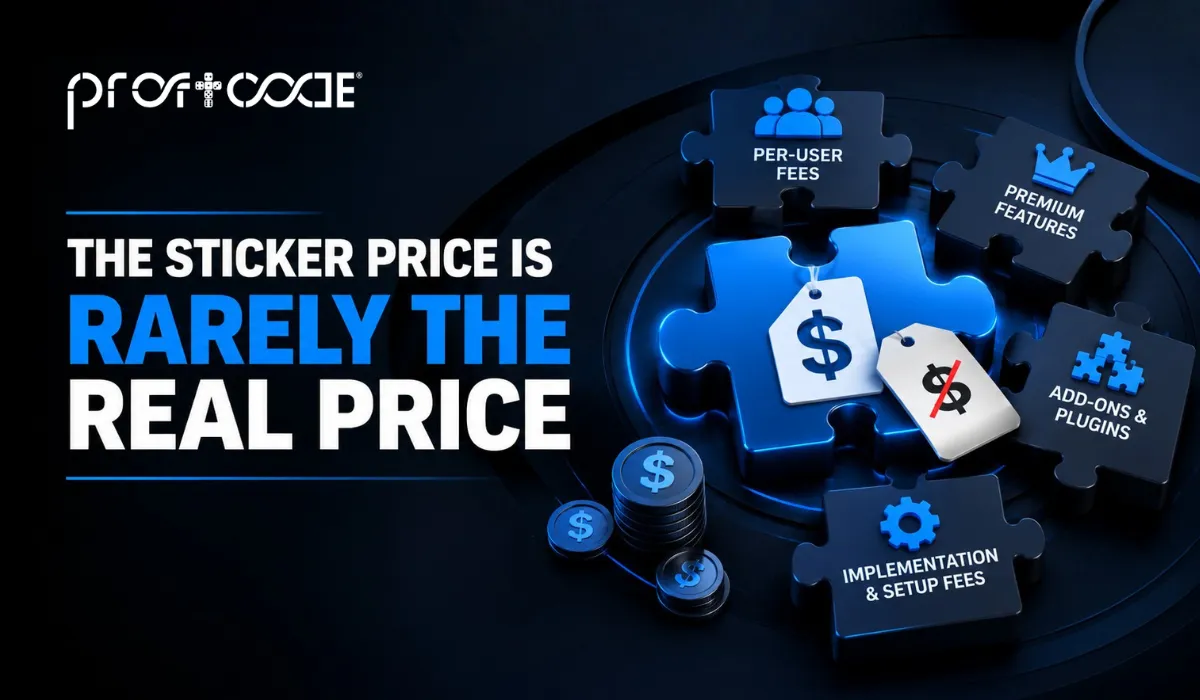
- Per-user fees add up fast. What looks affordable for ten users becomes a very different number once your team grows to fifty
- Premium features sit behind higher tiers. The basic plan rarely includes everything a growing business actually needs, so upgrades become inevitable
- Add-ons and plugins cost extra. Want a specific integration or a slightly different workflow? That’s often a separate purchase
- Implementation and setup fees. Many vendors charge separately for onboarding, data migration, and configuration, costs that don’t appear clearly on the initial pricing page
By the time all of this gets added up, the “affordable” monthly subscription often looks quite different from what was originally budgeted.
Hidden Cost 1: Customization That Isn't Really Customization
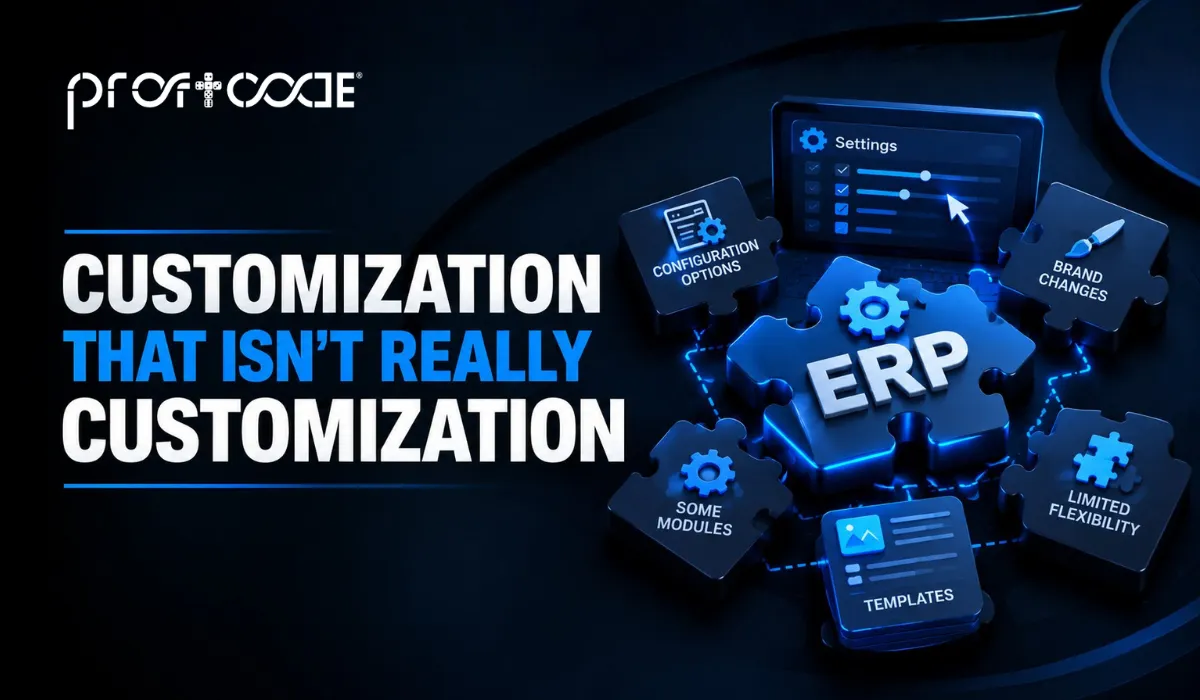
Off-the-shelf platforms often advertise flexibility, but there’s usually a ceiling to how far that flexibility actually goes.
- Basic settings can be adjusted, but bigger structural changes are often locked behind expensive developer add-ons
- Businesses end up paying third-party consultants just to configure features the core platform doesn’t fully support
- Workflow adjustments that seem simple on paper sometimes require workarounds that cost time and money to maintain
- True customization, the kind that actually fits your specific processes, is often unavailable at any price within a generic platform
This is where a lot of businesses realize the gap between “customizable” as marketed and “customizable” as actually delivered.
Hidden Cost 2: Lost Productivity From Workarounds
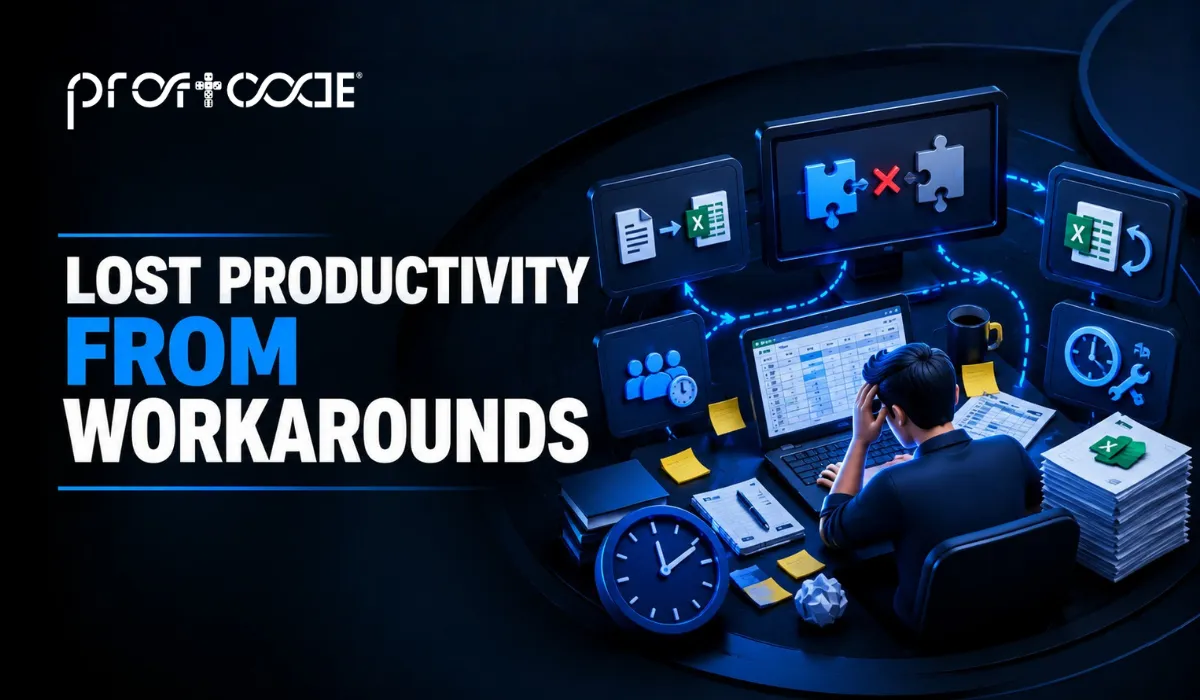
This one rarely gets tracked properly, but it’s often the highest hidden cost of all.
- Employees spending time manually transferring data between systems that should connect automatically
- Teams building spreadsheet workarounds because the ERP doesn’t handle a specific process well
- Time lost troubleshooting recurring issues rather than doing actual productive work
- Onboarding new staff takes longer because workflows involve extra manual steps not reflected in official training materials
None of this shows up as a line item on an invoice. But add up the hours across a year, across an entire team, and it becomes a genuinely significant cost hiding in plain sight.
Hidden Cost 3: Data Migration and Switching Costs
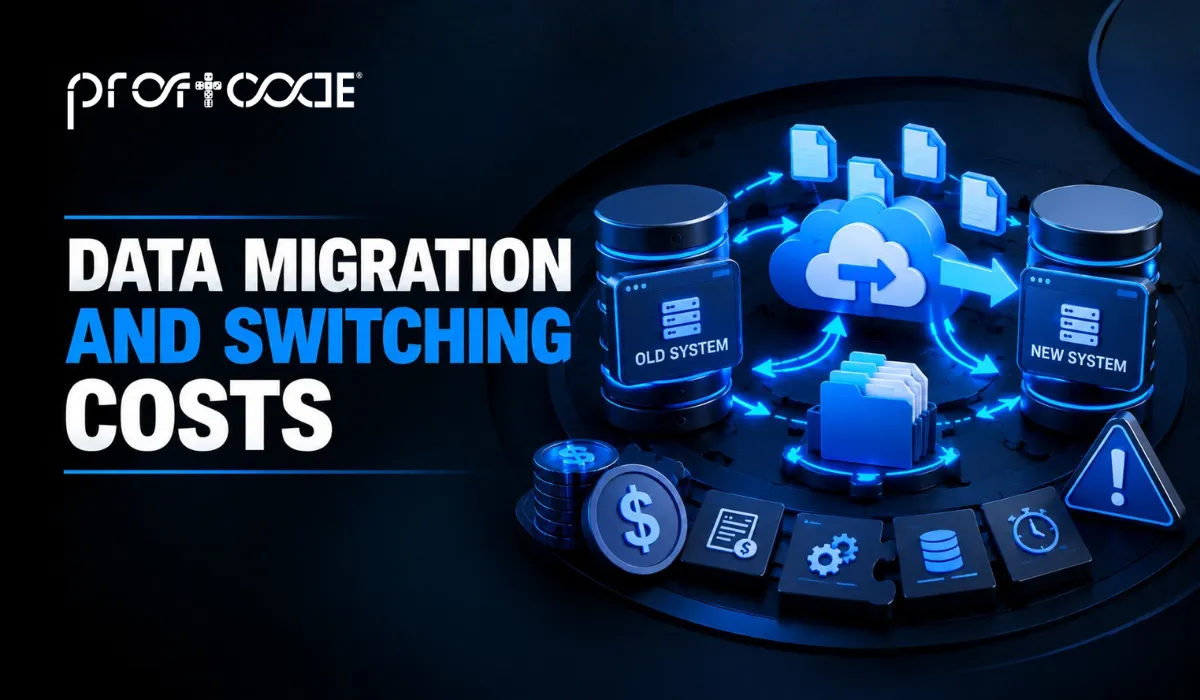
Businesses often underestimate how expensive it becomes to move away from a platform once they’ve outgrown it.
- Exporting years of historical data cleanly is rarely as simple as vendors suggest
- Some platforms charge additional fees just to export your own data in a usable format
- Migrating to a new system often requires significant reconfiguration, essentially starting over
- The longer a business stays with an ill-fitting system, the more data accumulates, making eventual migration even more complex and costly
This creates a quiet trap. The longer you wait to switch, the more expensive switching becomes, which sometimes keeps businesses stuck on a system that no longer serves them well.
Hidden Cost 4: Integration Gaps That Require Extra Tools
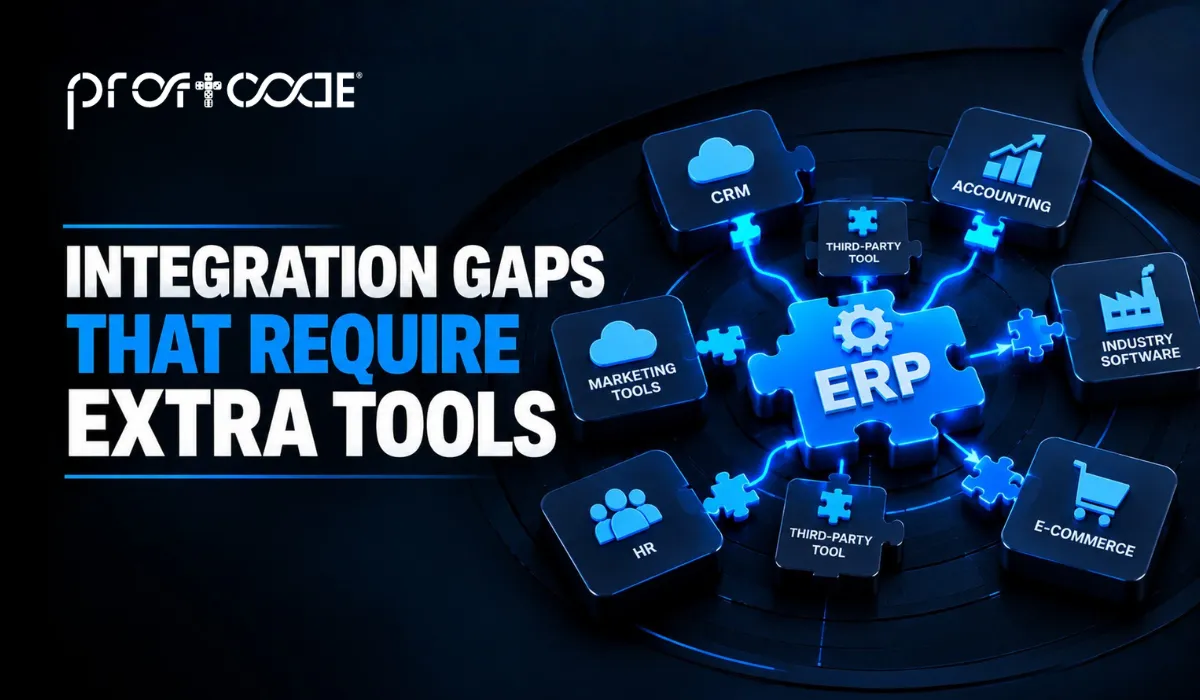
Very few businesses run on a single piece of software. Most rely on a stack, accounting tools, CRM platforms, industry-specific software, and more.
- Off-the-shelf ERP doesn’t always integrate smoothly with every tool a business already relies on
- Businesses sometimes end up paying for third-party integration tools just to bridge the gap
- Manual data entry between disconnected systems increases the risk of costly errors
- IT staff spend recurring time maintaining fragile integrations that break with every platform update
Each of these adds cost, whether in subscription fees for extra tools or in staff hours spent managing the friction.
Hidden Cost 5: Scaling Penalties
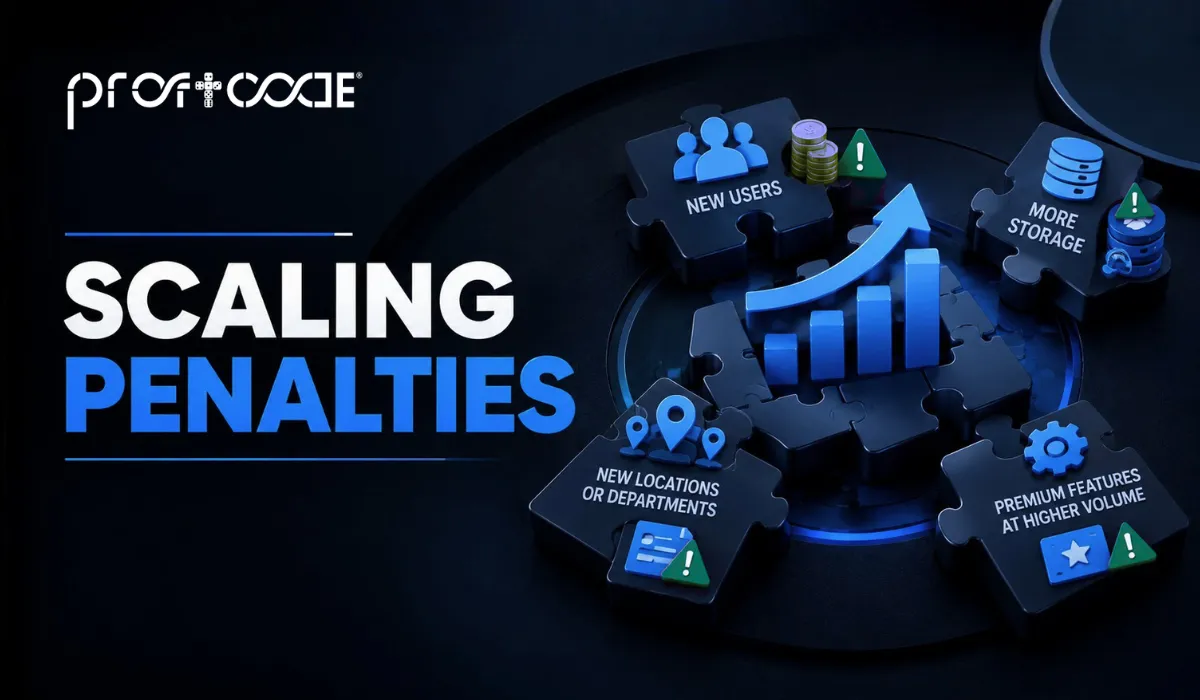
Growth should feel rewarding, not expensive in unexpected ways. But with many off-the-shelf platforms, scaling comes with quiet penalties.
- Adding new users often triggers a jump to a significantly more expensive pricing tier
- Storage limits mean paying extra once your data volume grows past a certain threshold
- Adding new locations or departments sometimes requires purchasing entirely separate licenses
- Features that were included at a smaller scale sometimes require premium upgrades once transaction volume increases
For growing businesses specifically, this scaling cost curve can end up steeper than anticipated when the platform was first chosen.
Cloud ERP vs Traditional ERP Cost Analysis: What Changes Over Time
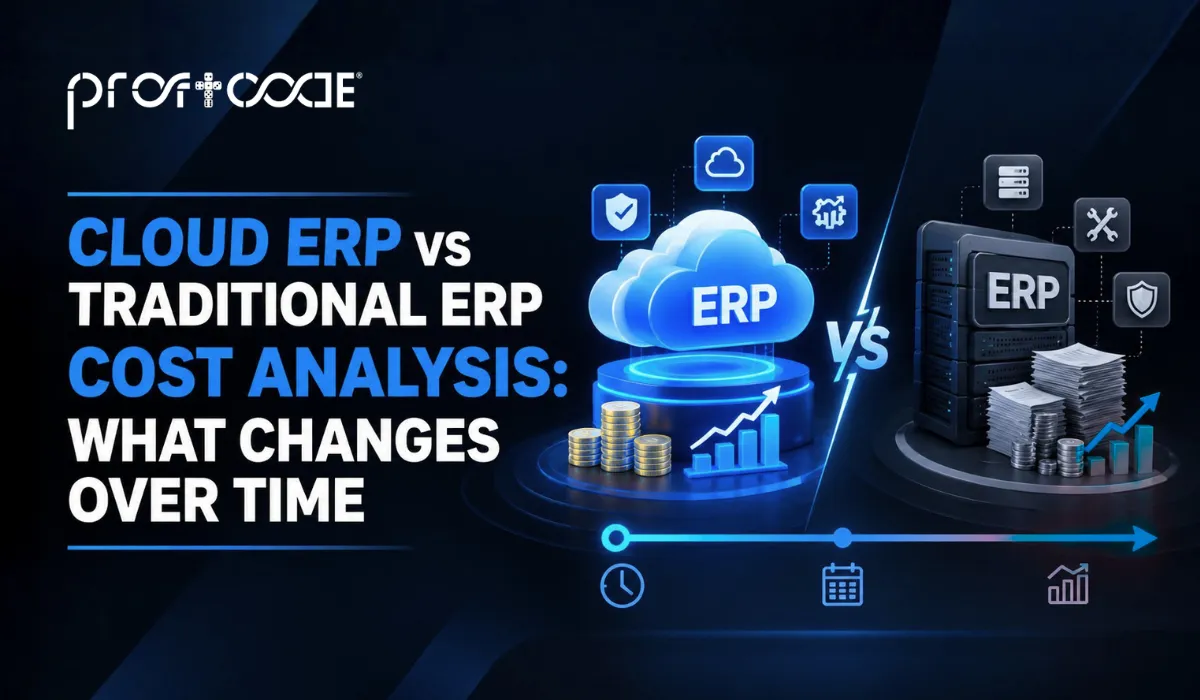
This is worth breaking down specifically, since the cost comparison between cloud and traditional off-the-shelf ERP shifts significantly depending on your time horizon.
Short-term (Year 1):
- Cloud ERP typically has lower upfront costs and no hardware investment required
- Traditional ERP requires higher initial investment in servers and licensing
Medium-term (years 2 to 3):
- Cloud ERP subscription costs continue accumulating, often rising as user count grows
- Traditional ERP costs stabilize somewhat, though maintenance and IT staffing costs continue
Long-term (years 4 and beyond):
- Cloud ERP’s recurring fees can sometimes exceed what a custom or traditional system would have cost overall
- Traditional ERP may require hardware refreshes, adding periodic lump-sum costs
- Custom ERP development, while higher upfront, often becomes the more cost-stable option over a longer horizon since there’s no recurring per-user fee structure
This is exactly why a proper cloud ERP vs. traditional ERP cost analysis needs to look beyond year-one pricing and consider the full multi-year picture before deciding.
Hidden Cost 6: Vendor Lock-In and Pricing Changes
This is one of the least discussed risks with off-the-shelf ERP software.
- Vendors can and do change pricing structures, sometimes significantly, with limited notice
- Features you rely on can be deprecated or moved to higher-priced tiers
- Switching away becomes progressively harder the more your business processes become built around that specific platform
- You have limited negotiating power as a smaller customer within a large vendor’s broader customer base
Owning a custom-built system removes this particular risk entirely, since there’s no external vendor controlling pricing or feature availability going forward.
When Off-the-Shelf ERP Still Makes Sense
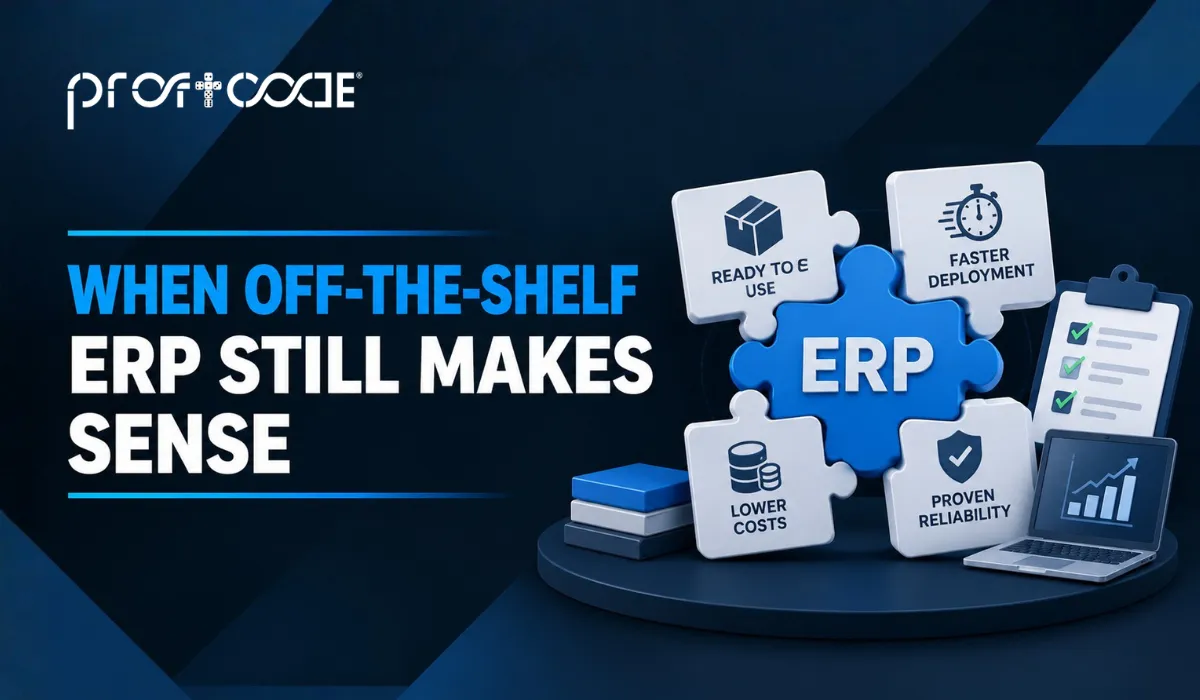
To keep this balanced, off-the-shelf ERP isn’t inherently a poor choice. For certain businesses, it remains genuinely practical.
- Very early-stage businesses still figuring out their exact operational needs
- Businesses with fairly standard processes that don’t require deep customization
- Situations where speed of deployment matters more than long-term cost optimization
- Limited budget scenarios where a large upfront investment simply isn’t feasible right now
The key is going in with clear eyes about the trade-offs, rather than assuming the advertised price is the full picture.
How Custom ERP Software Development Avoids Many of These Costs
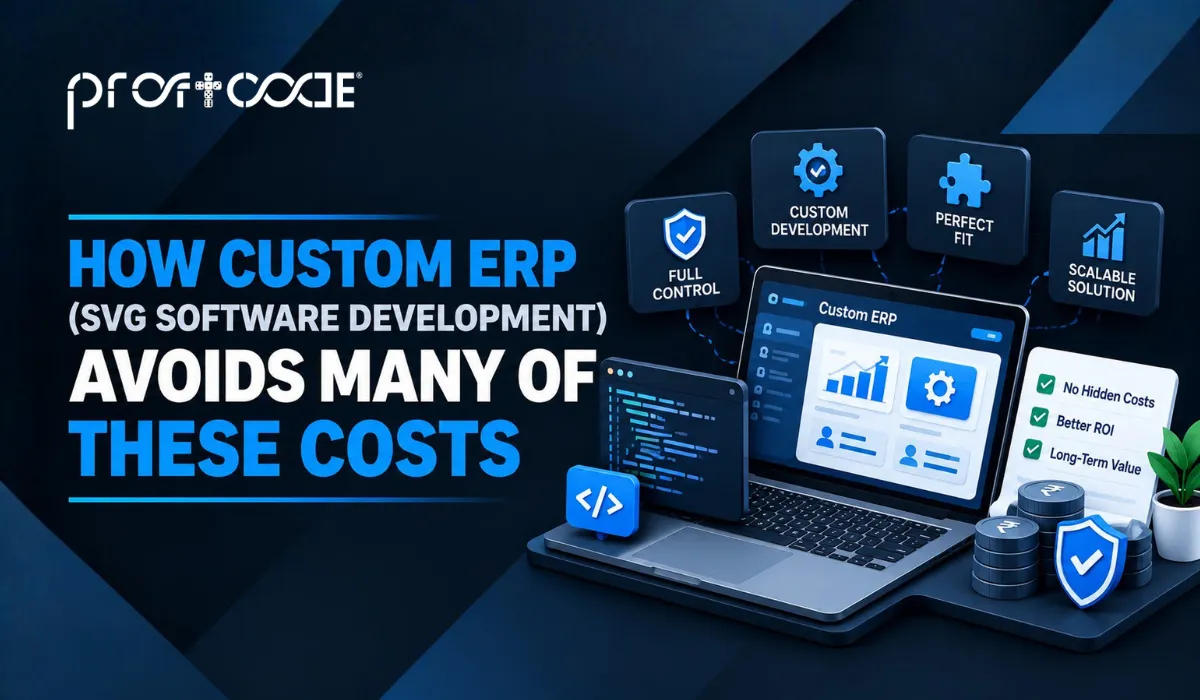
Working with an experienced partner for erp software development addresses several of these hidden costs directly from the start.
- No per-user scaling penalties. Once built, adding users typically doesn’t trigger unexpected pricing jumps
- Deeper integration from day one. Systems are built to connect with your existing tools, reducing the need for costly bridge solutions
- True customization. Workflows are built around your actual processes, reducing the workarounds that quietly drain productivity
- Full data ownership. No vendor-imposed export restrictions or migration barriers if your needs change later
- No sudden vendor pricing changes. You own the system, so there’s no risk of a third party altering the cost structure unexpectedly
A Quick Self-Check Before You Decide
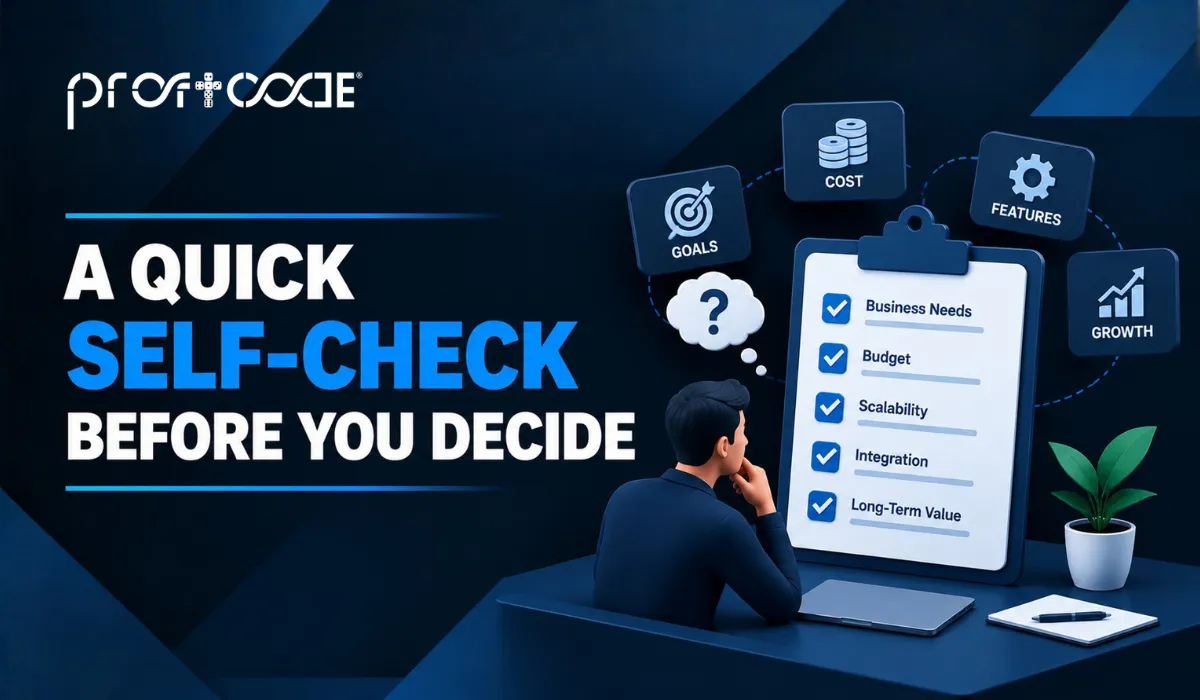
Before assuming your current ERP setup is the most cost-effective option, walk through these honestly.
- Have your per-user or subscription costs increased noticeably since you first signed up?
- How much time does your team spend on manual workarounds each week?
- Have you priced out what migrating away from your current platform would actually cost?
- Are you paying for multiple add-ons or third-party tools just to fill gaps in your ERP?
- Has scaling your team or operations triggered unexpected cost jumps?
If several of these sound familiar, it’s worth running the actual numbers rather than assuming the current setup remains the cheaper option.
Why the Right Partner Matters for Long-Term Cost Control
At Proftcode, ERP projects typically start with an honest cost conversation, comparing what a business is currently spending, including the hidden costs, against what a properly built custom system would actually cost over a realistic multi-year horizon, rather than just comparing sticker prices in isolation.
Looking for Custom ERP Software Development?
Streamline your business operations with tailored ERP solutions designed to improve efficiency, productivity, and growth.
Final Thought
Off-the-shelf ERP software rarely turns out to be as simple or as cheap as the initial pricing suggests once you account for scaling penalties, workaround productivity losses, and eventual migration costs. Understanding these hidden expenses upfront, rather than discovering them gradually over a few frustrating years, puts businesses in a much better position to choose the option that actually serves their long-term interests, not just their first-year budget.
Frequently Asked Questions
Per-user pricing increases, customization add-ons, integration gaps requiring extra tools, lost productivity from workarounds, and eventual data migration costs are among the most common hidden expenses.
Not necessarily over the long term. While cloud ERP often has lower upfront costs, recurring subscription fees can sometimes exceed traditional or custom ERP costs over a multi-year period.
Factor in subscription or licensing fees, customization and integration costs, staff training time, and potential future scaling penalties, not just the initial advertised price.
It significantly reduces many hidden costs, like scaling penalties and vendor lock-in, though it requires a higher upfront investment and proper planning to avoid its own implementation risks.
When workarounds, integration issues, and scaling costs start consuming significant time and money, it’s usually a sign the long-term savings of a custom build outweigh the upfront investment.