
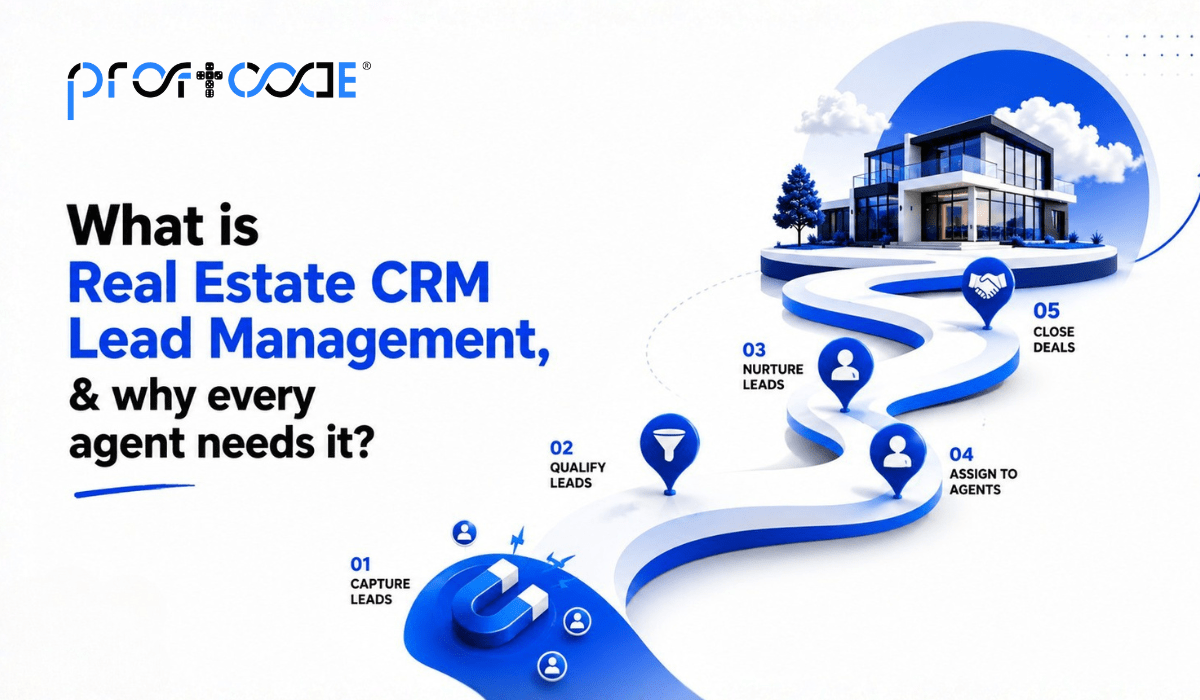
Real estate runs almost entirely on relationships and timing. A lead that receives a quick, thoughtful follow-up often converts. The same lead, contacted three days late because it got buried under a pile of WhatsApp messages and half-updated spreadsheets, often doesn’t. Multiply that across dozens of active leads at any given time, and it’s easy to see how good opportunities slip away simply from disorganization, not lack of effort.
This is exactly the gap real estate CRM lead management is built to close. Let’s break down what it actually means, why agents and agencies increasingly can’t do without it, and what to look for when choosing a system.
What is real estate CRM lead management?
At its core, real estate CRM lead management is a system that helps agents capture, organize, track, and follow up with property leads, all from one connected platform, instead of juggling notebooks, spreadsheets, and scattered chat messages.
A proper CRM does more than just store contact details. It tracks where each lead came from, the property they’re interested in, their stage in the buying or renting process, and when they need to be followed up with next. Nothing depends purely on an agent’s memory or a sticky note on the desk.
Think of it as the difference between trying to remember fifty conversations in your head versus having a clear, organized record of every single one, updated automatically as things happen.
Why Real Estate Agents Struggle Without a Proper System

Before getting into the benefits, it helps to look honestly at what happens without one.
- Leads get lost: A promising inquiry from a property portal gets buried under newer messages and simply never gets a follow-up.
- Follow-ups happen too late: By the time an agent circles back, the lead has already gone with a competitor who responded faster.
- No visibility into the pipeline: Without a CRM, it’s genuinely hard to know how many leads are active, which ones are close to closing, and which ones have gone cold.
- Inconsistent communication: Different team members might contact the same lead with conflicting information, which looks unprofessional and damages trust.
- Wasted marketing spend: If leads generated through paid ads or portals aren’t tracked properly, it’s impossible to know which channels are actually working.
None of this happens because agents don’t care. It happens because manual tracking simply doesn’t scale once lead volume grows past a handful of active conversations.
Core Features of Real Estate CRM Lead Management
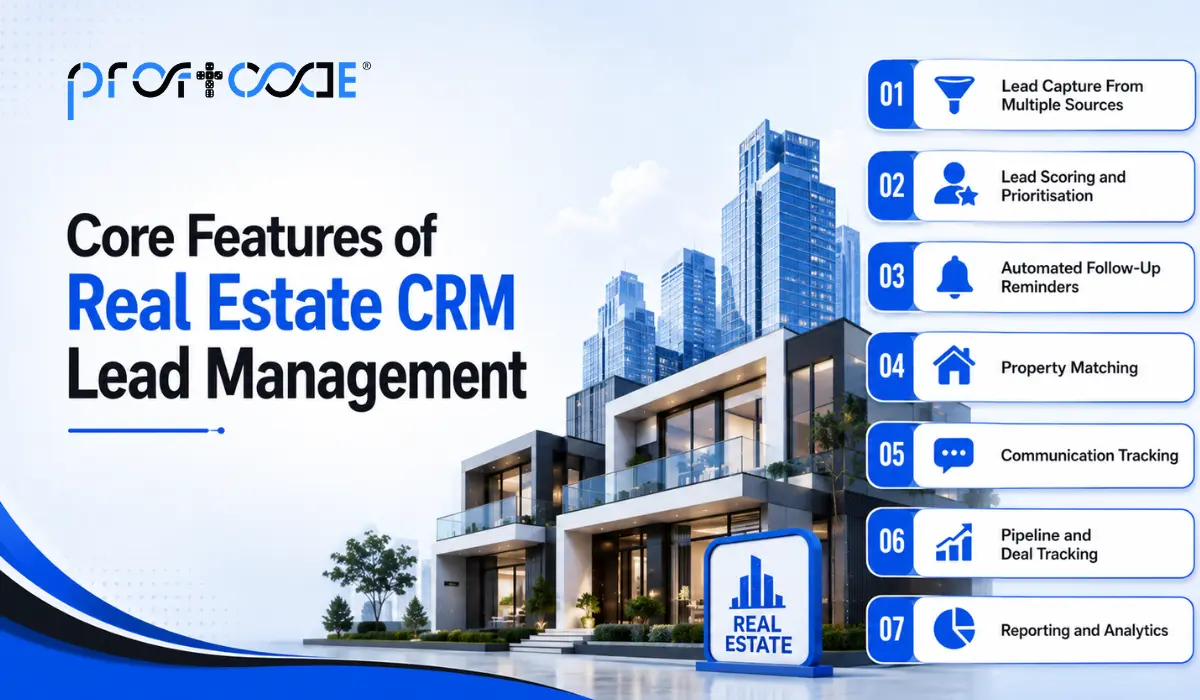
Not every CRM is built the same way, but the most effective systems for real estate include these core functions.
1. Lead Capture From Multiple Sources
- Automatically pulls in leads from property portals, website forms, and social media inquiries.
- Removes the need for manual data entry every time a new lead comes in.
- Reduces the chance of leads slipping through the cracks before they’re even logged.
2. Lead Scoring and Prioritisation
- Helps agents identify which leads are genuinely ready to move forward versus those just browsing.
- Saves time by focusing effort on high-intent leads first.
- Reduces wasted follow-up calls to leads unlikely to convert soon.
3. Automated Follow-Up Reminders
- Sends reminders so no lead goes untouched for too long.
- Allows agents to schedule follow-ups based on where the lead is in the buying journey.
- Reduces the chance of a good lead going cold simply due to a busy day.
4. Property Matching
- Matches lead to relevant property listings based on their stated preferences.
- Saves agents time manually cross-checking property inventory against client requirements.
- Improves the chances of a faster match, which speeds up the sales cycle.
5. Communication Tracking
- Logs calls, emails, and messages in one place, so any team member can pick up a conversation with full context.
- Prevents the awkward situation of contacting a lead who was already spoken to yesterday by a colleague.
- Builds a clear history that helps personalize future conversations.
6. Pipeline and Deal Tracking
- Gives a clear visual of where every lead stands, from first inquiry to closed deal.
- Helps agents and managers forecast likely closings for the month.
- Makes it easier to spot bottlenecks where leads tend to stall.
7. Reporting and Analytics
- Shows which lead sources are actually converting, not just generating volume.
- Tracks individual agent performance for accountability and coaching.
- Helps agencies make smarter decisions about where to invest marketing budgets.
Why Every Real Estate Agent Needs This, Not Just Large Agencies

There’s a common assumption that CRM systems are only necessary for big agencies with dozens of agents. That’s not really accurate anymore.
For independent agents:
- Managing even fifteen to twenty active leads manually becomes genuinely difficult without a system.
- A CRM helps maintain a professional, consistent follow-up process, which builds client trust.
- Time saved on manual tracking can be redirected toward actual client conversations and property visits.
For growing agencies:
- Ensures consistency across multiple agents handling different leads.
- Gives management visibility into overall performance without micromanaging every conversation.
- Supports scaling the team without losing track of individual client relationships.
For established, high-volume agencies:
- Handles the sheer volume of leads that manual tracking simply cannot support.
- Provides data-driven insights into which marketing channels and agents are performing best.
- Reduces the operational chaos that comes with managing hundreds of active leads simultaneously.
How a CRM Actually Changes Day-to-Day Work for an Agent
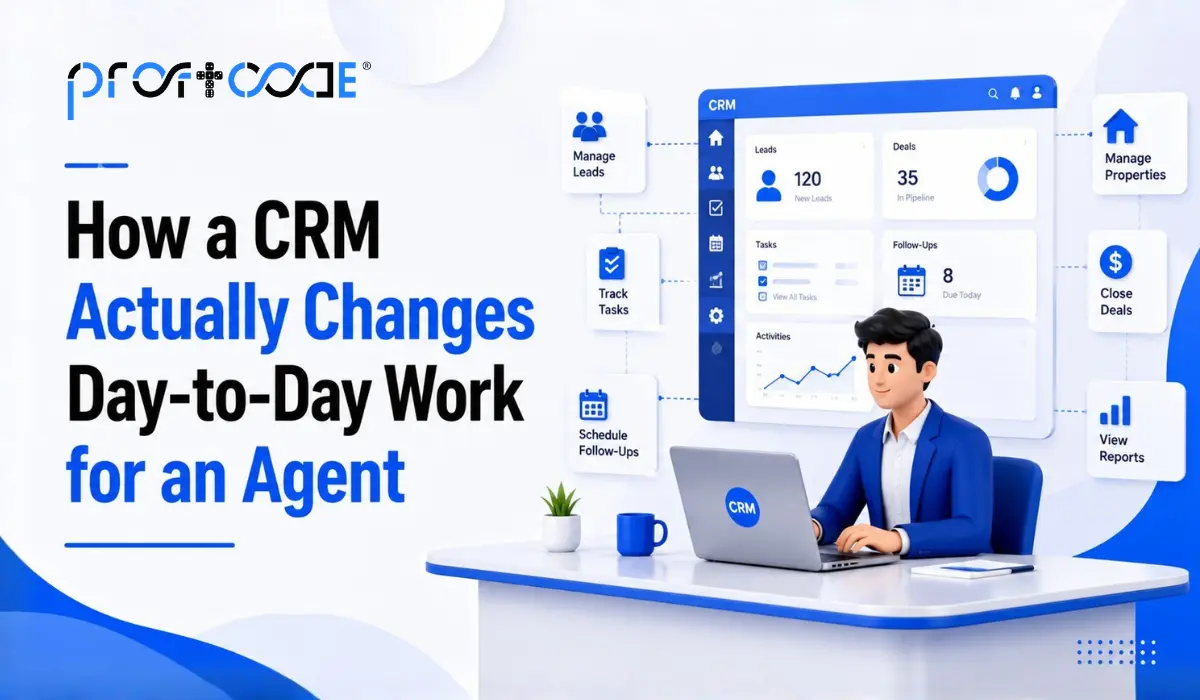
Beyond the feature list, it helps to picture what a normal day actually looks like once a proper system is in place.
Instead of starting the morning scrolling through yesterday’s WhatsApp messages trying to remember who needed a follow-up, an agent opens the CRM and sees a clear list, sorted by priority, of who needs attention today. Property matches for new leads show up automatically instead of requiring a manual search through listings. When a client calls back after a week, the full conversation history is right there, no awkward “sorry, remind me what you were looking for again.”
Over time, this consistency builds a reputation. Clients notice when an agent remembers details, responds quickly, and follows through without being chased. That reputation, more than any single sale, is often what drives repeat business and referrals in real estate, which tends to be a relationship-driven industry more than most.
What to Look For in the Best Lead Management Software for Real Estate
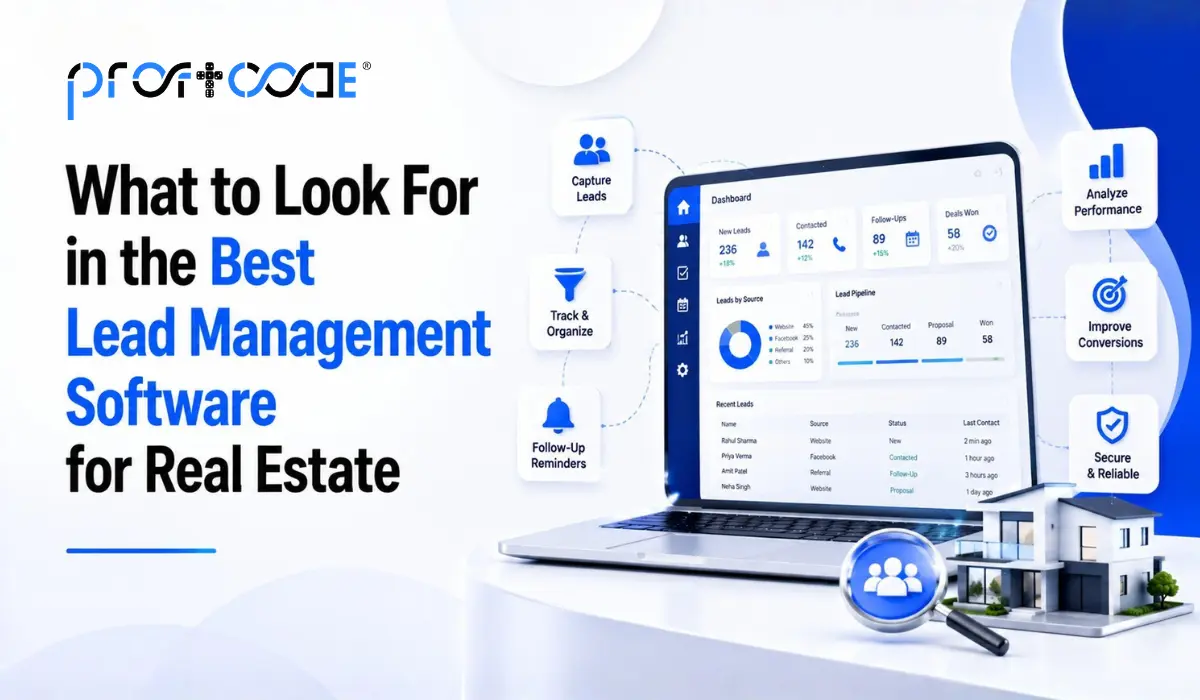
With several options available, choosing the right one matters. Here’s a practical checklist to guide the decision.
- Ease of use: If the system is complicated, agents simply won’t use it consistently, no matter how powerful the features are.
- Mobile access: Agents are rarely at a desk all day, so mobile access to leads and updates is essential, not optional.
- Integration with existing tools: Check whether it connects smoothly with property portals, WhatsApp, email, and any other tools your team already relies on.
- Customization options: Every agency has slightly different workflows, so flexibility to adjust stages, fields, and automation matters.
- Reporting depth: Basic contact storage isn’t enough. Look for genuine analytics that help you understand what’s actually working.
- Support and training: A good vendor should help your team actually adopt the system, not just hand over a login and disappear.
When comparing the best CRM for lead management, it’s worth testing a few options directly with your actual team, rather than deciding purely based on feature lists and marketing pages.
Common Mistakes Agents Make When Adopting a CRM
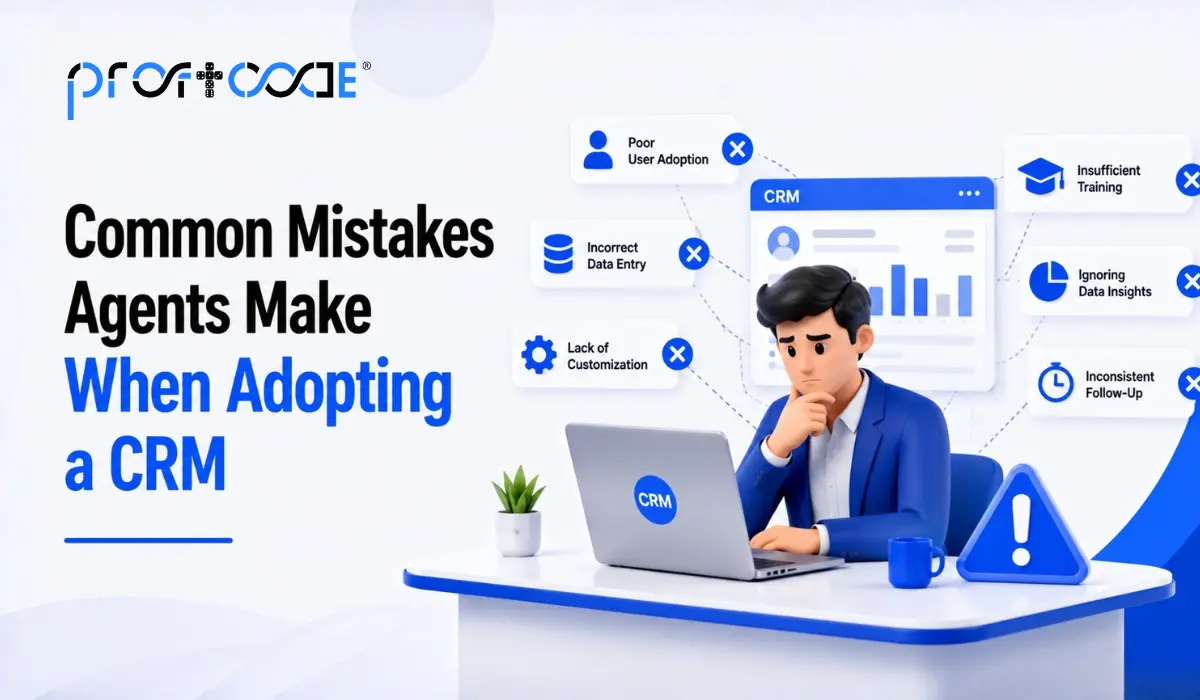
Even with the right software, adoption can go wrong if a few common mistakes aren’t avoided.
- Inconsistent data entry: If leads aren’t logged properly and immediately, the entire system loses its value.
- Ignoring automation features. Many agents use a CRM as a glorified contact list, missing out on automated reminders and lead scoring that actually save time.
- Skipping team training: A CRM rolled out without proper onboarding often gets abandoned within a few weeks.
- Not reviewing reports regularly: The insights are only useful if someone actually looks at them and adjusts strategy accordingly.
- Choosing based on price alone: The cheapest option sometimes lacks the specific real estate features that actually matter, like property matching or portal integration.
A Quick Self-Check Before Choosing a CRM

Before settling on a system, it helps to ask a few honest questions.
- How many active leads are you currently managing across spreadsheets, notebooks, or memory?
- How often do leads go cold simply due to delayed follow-up?
- Can your current process handle growth if lead volume doubles next quarter?
- Do you have visibility into which marketing channels are actually generating quality leads?
- Would your team members struggle to pick up a lead conversation if a colleague were suddenly unavailable?
If several of these points reveal gaps in your current process, it’s a strong signal that investing in proper real estate CRM lead management is overdue rather than optional.
Final Thought
Real estate CRM lead management isn’t just a software upgrade. It’s a shift from reactive, memory-dependent follow-up to a structured, trackable process that actually protects the opportunities agents work hard to generate. Whether you’re an independent agent or managing a growing team, the businesses that stay organized and responsive are usually the ones closing more deals, not necessarily the ones working the hardest.
Frequently Asked Questions
It’s a system that helps agents capture, organize, and follow up with property leads from one connected platform, reducing the chances of leads being lost or forgotten.
Yes. Even managing a modest number of active leads manually becomes difficult over time, and a CRM helps maintain consistent, professional follow-up without relying purely on memory.
Look for multi-source lead capture, automated follow-up reminders, property matching, communication tracking, and solid reporting features that show which lead sources actually convert.
Real estate-specific CRMs include property matching, portal integrations, and workflows built around the property buying or renting journey, which general CRMs typically don’t offer out of the box.
Tools like LeadHour are built to support both since automated follow-up and lead prioritization help independent agents manage volume just as much as larger teams managing multiple agents.