Key Takeaways
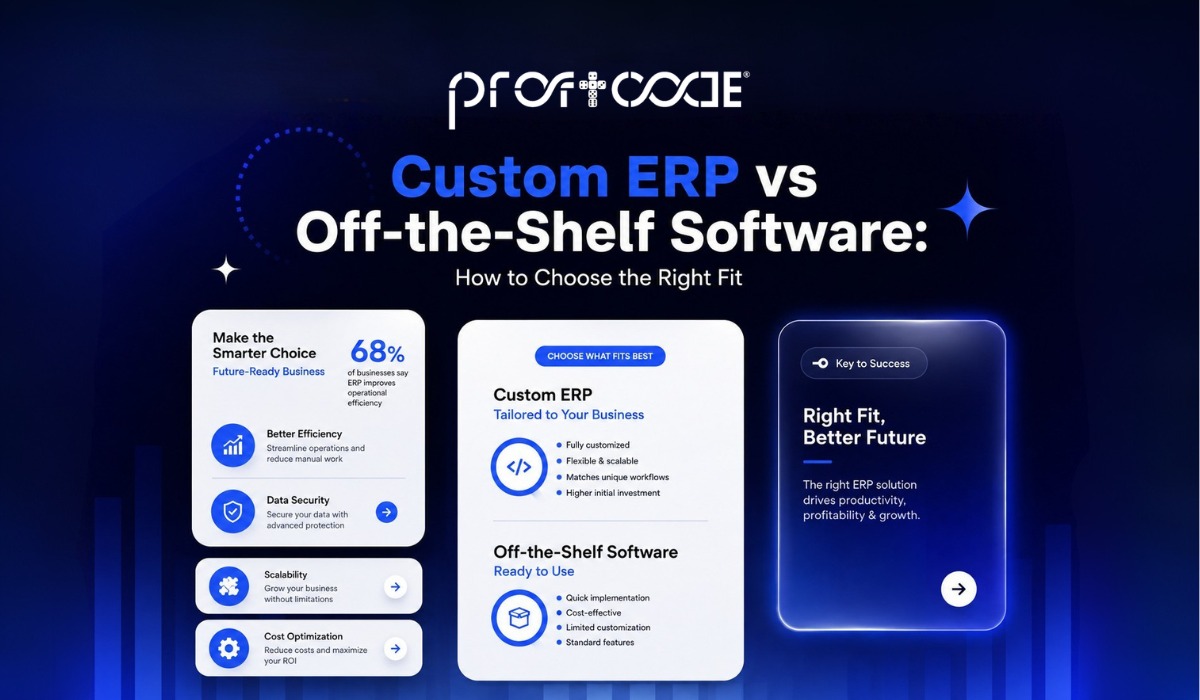
- Off-the-shelf ERP wins on speed and cost upfront, days to deploy, subscription pricing, and proven across thousands of implementations.
- But it forces your business to adapt to its workflows, not the other way around, and unused modules still show up on the bill.
- Custom ERP is built around how your business actually operates, with no fighting the software to get work done.
- Custom systems scale without forcing a platform switch and integrate deeply with the tools you already use.
- The trade-off: custom ERP needs bigger upfront investment, a longer build timeline, and a clear picture of your own processes going in.
- The real comparison isn’t month-one cost. It’s total cost of ownership over 3-5 years, where subscriptions often outgrow custom development cost.
Every business researching ERP systems eventually lands on the same fork in the road. Do you go with a ready-made, off-the-shelf package that gets you running quickly? Or do you invest in a custom ERP built specifically around how your business actually operates? Both are valid choices. But picking the wrong one for your situation can mean months of workarounds, or worse, paying for a system your team quietly avoids using.
This guide breaks down custom ERP vs off-the-shelf ERP honestly, without leaning toward either option just to sound impressive. By the end, you should have a clearer sense of which fit actually makes sense for your business right now.
What Do We Mean by Custom ERP and Off-the-Shelf ERP?
Before comparing anything, it helps to be clear on definitions.
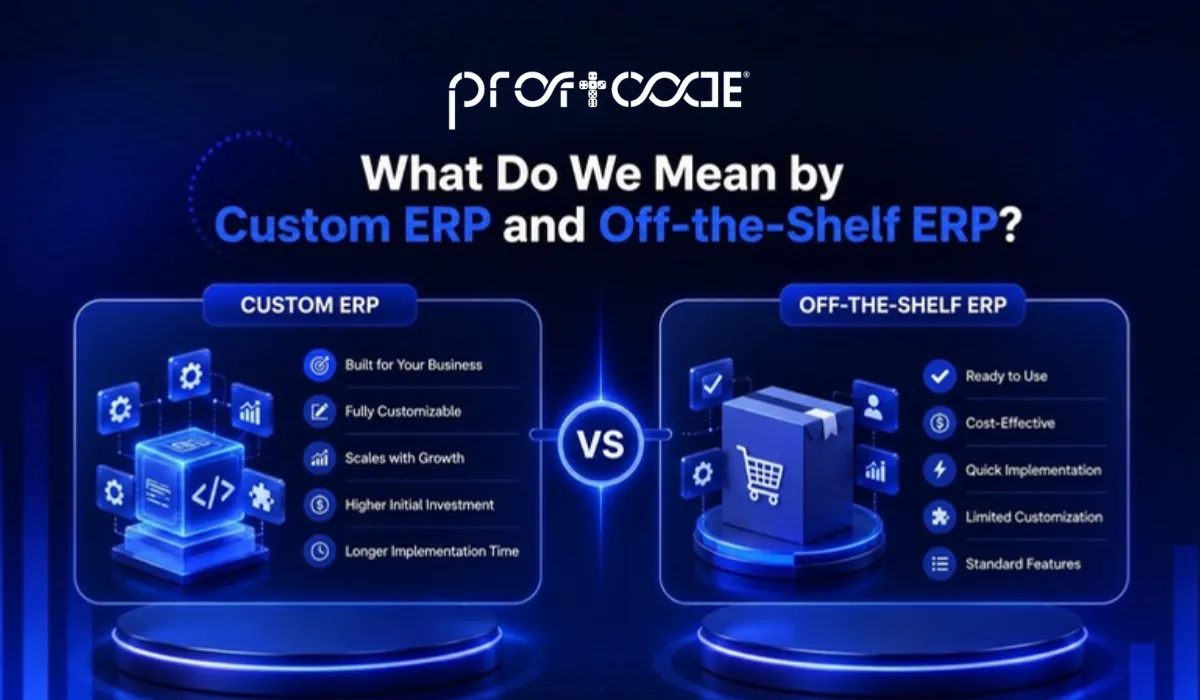
Off-the-shelf ERP is a pre-built system available for purchase or subscription, ready to configure and use almost immediately. Think of it like buying furniture from a showroom. It looks fine. It works, but it wasn’t built specifically for the exact space you’re putting it in.
Custom ERP is built by working with an ERP software development company that studies your actual workflows first, then develops a system shaped around them. It’s more like commissioning custom-built furniture. Takes longer, costs more upfront, but fits your space exactly.
Neither approach is universally better. The right choice depends on your business size, budget, industry, and how unique your operations actually are.
Off-the-Shelf ERP: What Works in Its Favour
Let’s start with why many businesses, especially smaller ones, choose this route first.
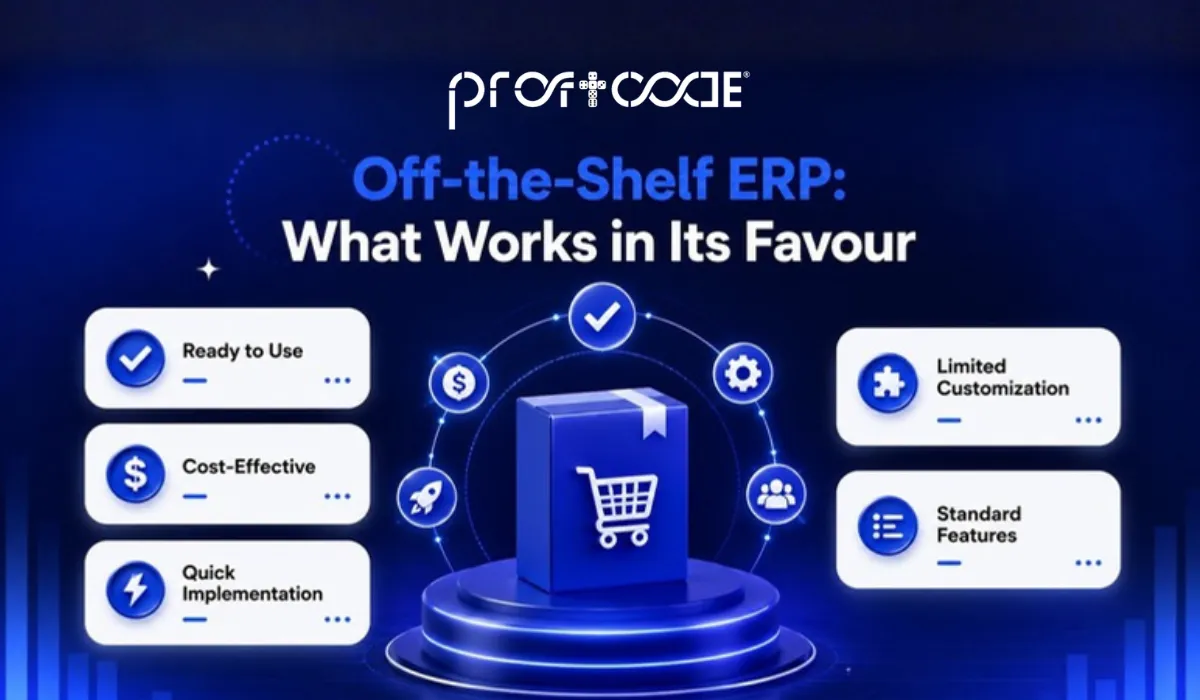
- Faster deployment: Most off-the-shelf systems can be set up and running within weeks, sometimes days.
- Lower upfront cost: Subscription pricing spreads costs out, avoiding a large one-time investment.
- Proven stability: These platforms have already been tested across thousands of businesses, so major bugs are typically already resolved.
- Built-in integrations: Many packages already connect with common tools like accounting software, email platforms, and payment gateways.
- No development wait: You skip the build and testing phases that custom ERP development requires.
For a business still figuring out its exact processes, or one with fairly standard operations, this can genuinely be the smarter starting point.
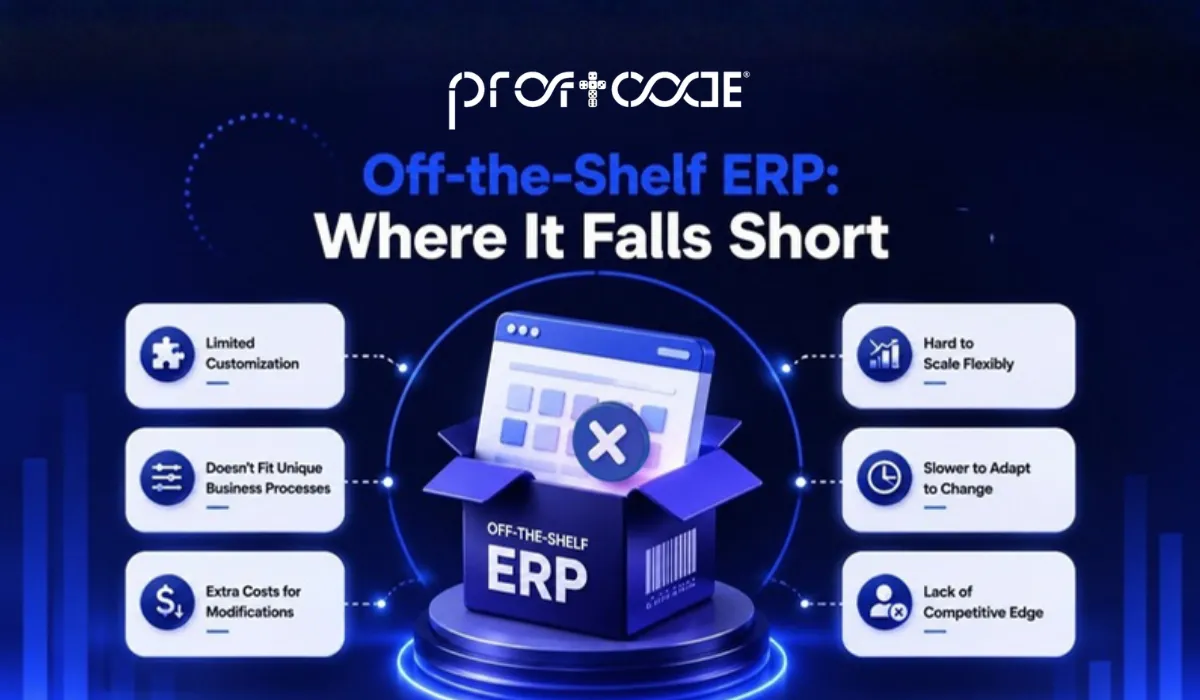
Off-the-Shelf ERP: Where It Falls Short
Now for the honest downside, because this is usually where the frustration builds over time.
- Rigid structure: Businesses often end up adjusting their own processes to match the software, rather than the other way around.
- Feature overload or gaps: Some packages come stuffed with irrelevant features while missing the specific ones your business actually needs.
- Limited customization: Meaningful changes often require expensive add-ons or aren’t possible at all.
- Scaling friction: As the business grows, user limits, storage caps, or tier restrictions can start getting in the way.
- Weak integration with unique tools: If your business relies on specific industry tools, off-the-shelf ERP might not connect smoothly with them.
- Recurring costs stack up: Monthly fees seem manageable individually, but across several years, the total often exceeds a custom build’s cost.
This tension—quick and affordable now versus tailored and scalable later—is really the heart of the custom ERP vs off-the-shelf ERP decision.
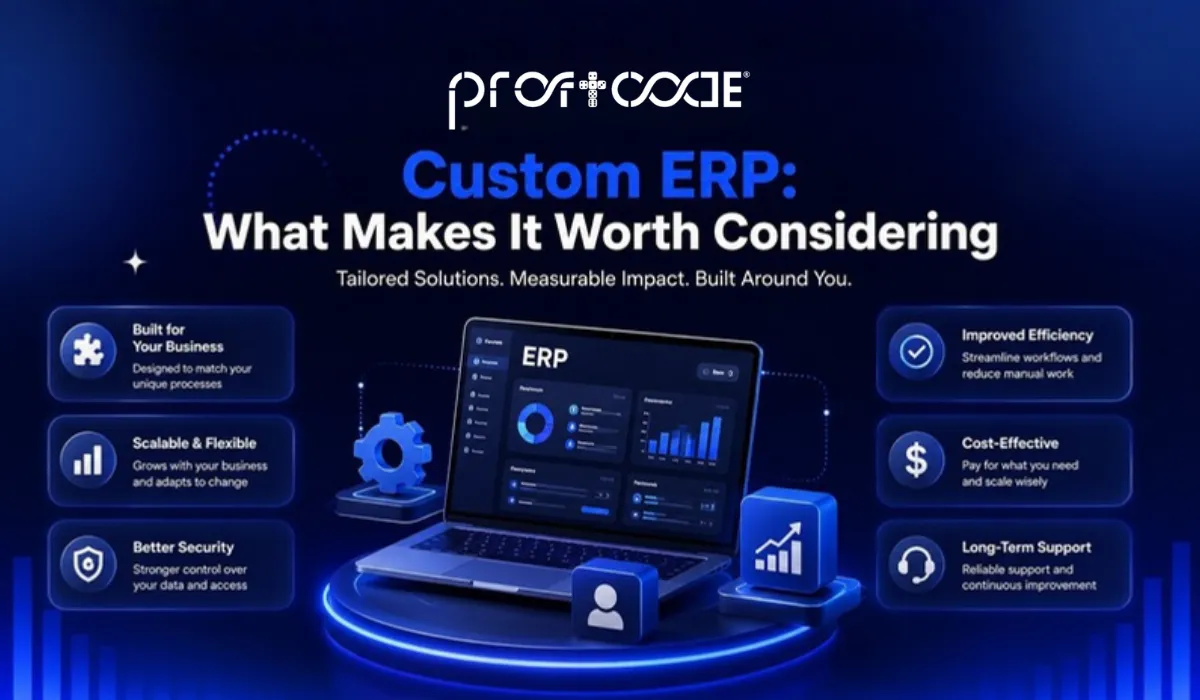
Custom ERP: What Makes It Worth Considering
Now let’s look at the other side of the fork.
1. Built Entirely Around Your Business
Custom ERP reflects exactly how your team operates, not a generic template you’re forced to adapt to. Every workflow, from procurement to production to reporting, gets shaped around your actual process.
2. Scales Without Painful Migrations
Since the system is designed with your growth plans in mind from the start, adding new users, modules, or entire departments later doesn’t require switching platforms or losing existing data structures.
3. Deeper Integration With Existing Tools
Whether it’s your accounting software, inventory system, or industry-specific tools, custom builds are designed to integrate smoothly with what you’re already using, rather than forcing a workaround.
4. Stronger, Tailored Security
Custom ERP allows for security measures specifically suited to your industry’s compliance needs, rather than relying on generic protections built for a much broader range of businesses.
5. No Per-User Subscription Creep
While the upfront custom ERP development cost is higher, there’s no recurring per-user fee steadily increasing your monthly expenses as your team grows.
6. Full Ownership of the System
You own what’s built. No sudden pricing changes from a vendor, no forced feature removals, no risk of a platform shutting down a tool your business depends on.
Custom ERP: The Honest Downsides
To keep this balanced, custom development has real trade-offs too.
- Higher upfront investment: Working with an ERP software development company requires more initial budget than a monthly subscription.
- Longer implementation timeline: Development, testing, and refinement take weeks or months, not days.
- Requires clear internal input: If your team struggles to explain your existing processes clearly, the development phase can drag on longer than expected.
- Ongoing maintenance needed: Custom systems require periodic updates and support, usually through an arrangement with your development partner.
Custom ERP vs Off-the-Shelf ERP: A Side-by-Side Comparison
Here’s a simplified way to think through the decision.
Off-the-shelf ERP tends to fit better when:
- Your business processes are fairly standard within your industry
- You need a working system within days or a few weeks
- Budget constraints make a large upfront investment difficult right now
- You’re still validating your exact operational needs before committing long-term
Custom ERP tends to fit better when:
- Your workflows have quirks specific to your business or industry
- You’re planning significant growth and need a system that scales with you
- Deep integration with existing internal tools is a priority
- Long-term cost efficiency matters more than a fast initial rollout
- Data security and compliance requirements are strict for your sector
How to Actually Decide: A Practical Framework
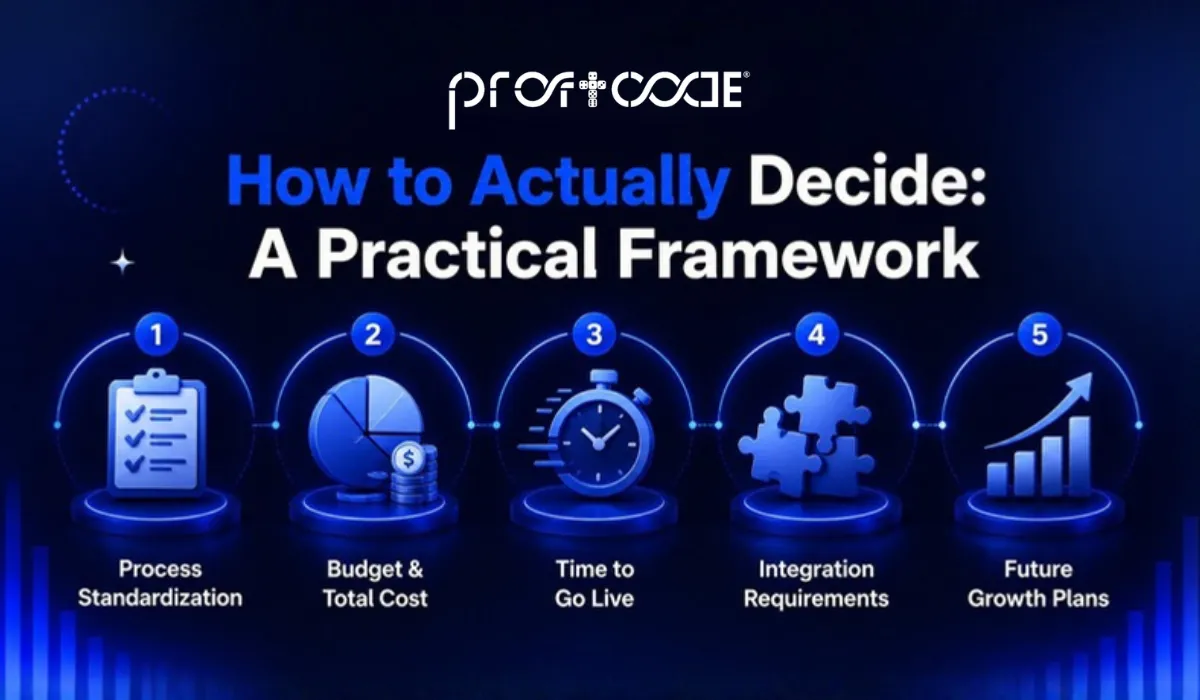
Rather than guessing, walk through these questions honestly before making a decision.
1. How standard are your business processes?
If your operations closely mirror how most businesses in your industry run, off-the-shelf ERP might genuinely be sufficient. If your workflows have unusual steps or industry-specific quirks, custom development starts making more sense.
2. What's your realistic budget, not just for setup but long-term?
Compare the total cost of ownership over three to five years, not just the initial price tag. Recurring subscription costs often add up faster than expected.
3. How fast do you need to be operational?
If you need something running within weeks, off-the-shelf is the faster route. If you can invest a few months upfront for a better long-term fit, custom development becomes viable.
4. How important is integration with your existing tools?
If you rely heavily on specific software that off-the-shelf ERP doesn’t integrate well with, custom development avoids that friction entirely.
5. What are your growth plans over the next few years?
If significant scaling is on the horizon, building with that in mind from day one usually saves considerable rework later.
A Quick Real-World Way to Think About It
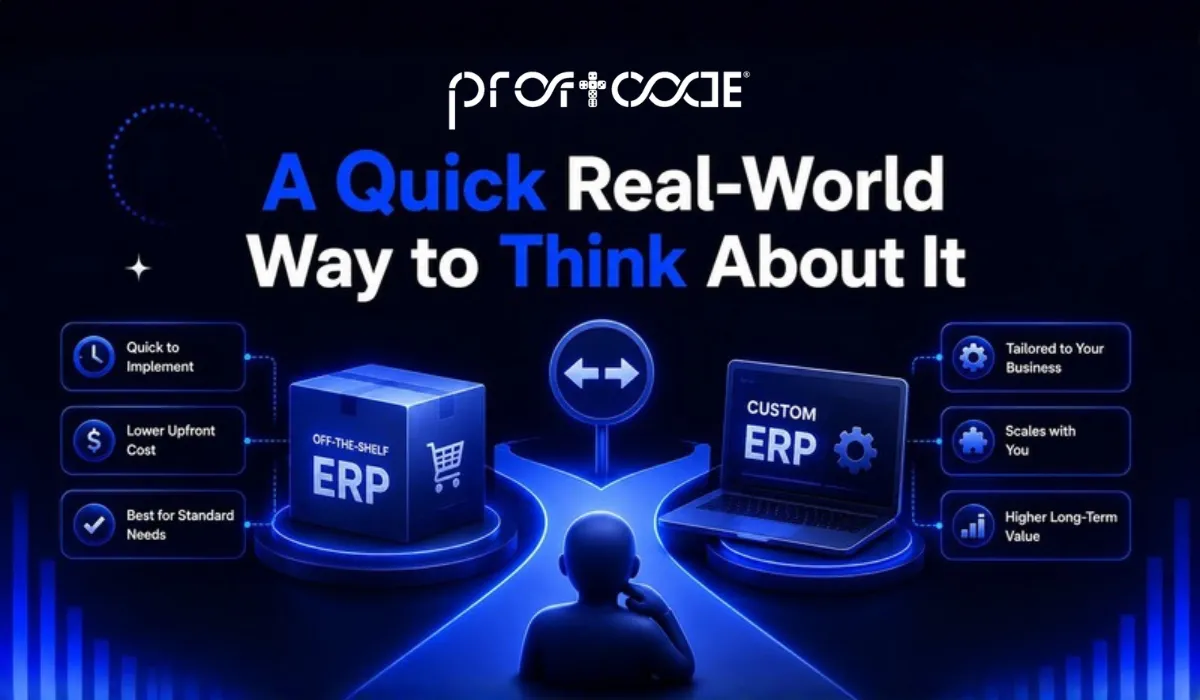
Picture two businesses. One runs a fairly standard retail operation, single location, straightforward inventory, with nothing unusual about how orders flow. Off-the-shelf ERP likely covers this well, with minimal friction.
The other runs a multi-location manufacturing operation with custom production workflows, specific compliance needs, and plans to double its facility count within two years. Forcing that business into a generic template usually means constant workarounds and, eventually, outgrowing the platform entirely.
Neither business is wrong for choosing differently. The mismatch only happens when a business picks based on what’s popular or cheapest, rather than what actually fits its own operations and growth trajectory.
Why Businesses Choose ERP Development Services Even When Cost Is a Concern
It might seem counterintuitive, but plenty of budget-conscious businesses still choose custom ERP development services, and the reasoning usually comes down to long-term math.
- Avoiding recurring fees that compound over time: A subscription that feels cheap monthly can total significantly more than a custom build across several years.
- Reducing operational friction: Time lost adapting processes to fit rigid software has a real, if less visible, cost.
- Preventing future migration costs: Outgrowing an off-the-shelf platform and switching systems later often costs more than building the first time correctly.
- Better long-term ROI: A system that actually fits how the business runs tends to get used properly, rather than becoming a tool employees quietly work around.
What to Look for in an ERP Software Development Company
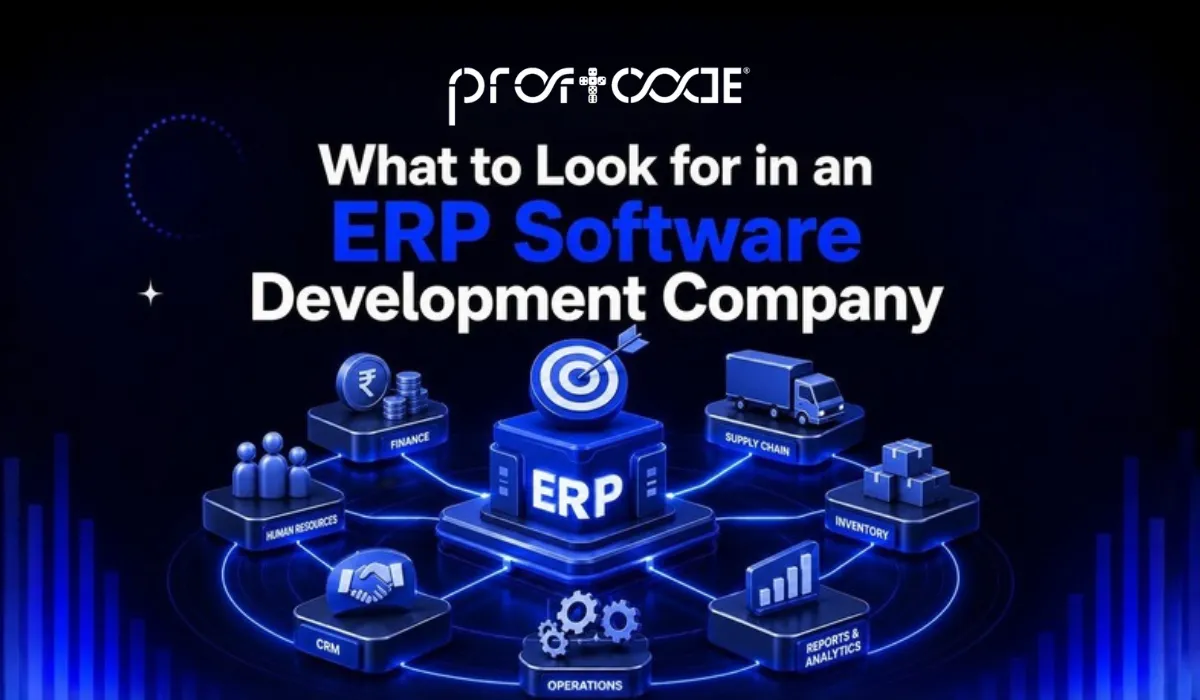
If you’ve decided custom development is the right path, choosing the right partner matters just as much as the decision itself.
- Requirement gathering process: A good ERP software development company maps your existing workflows thoroughly before writing any code.
- Industry experience: Look for a track record with businesses similar to yours in size and complexity.
- Transparent pricing and timelines: Vague estimates that shift midway through the project are a warning sign.
- Post-launch support: ERP development services shouldn’t end the day the system goes live. You’ll need ongoing updates and fixes.
- Willingness to customize fully: The right partner builds around your business, rather than pushing a semi-customized template.
At Proftcode, this is essentially how ERP projects are approached, starting with a detailed study of existing workflows before any development begins, so the final system reflects the business it’s built for, not a generic starting point stretched to fit.
Final Thought
There’s no universally correct answer in the custom ERP vs off-the-shelf ERP debate. The right choice depends entirely on where your business stands today and where you plan to be in a few years. Off-the-shelf works well for speed and simplicity when your processes are fairly standard. Custom ERP works well for businesses that need a system built specifically around how they operate, with room to grow. Either way, the real goal stays the same, a system your team actually uses well, not one they’ve learned to work around.
Frequently Asked Questions
Upfront, yes. But over several years, recurring subscription costs for off-the-shelf ERP can exceed the total cost of a well-built custom system, especially as your user count grows.
It depends on scope and complexity, but most custom projects with an experienced ERP software development company take a few months from requirement gathering to full deployment.
To some extent, though, customization is usually limited to what the platform allows, often through paid add-ons rather than bigger structural changes.
Businesses with unique workflows, specific compliance requirements, or clear growth plans over the next few years tend to see the most value from custom ERP development services.
Consider how standard your processes are, your realistic budget over several years, how quickly you need to be operational, and how important deep integration with existing tools is for your daily operations.