
Key Takeaways
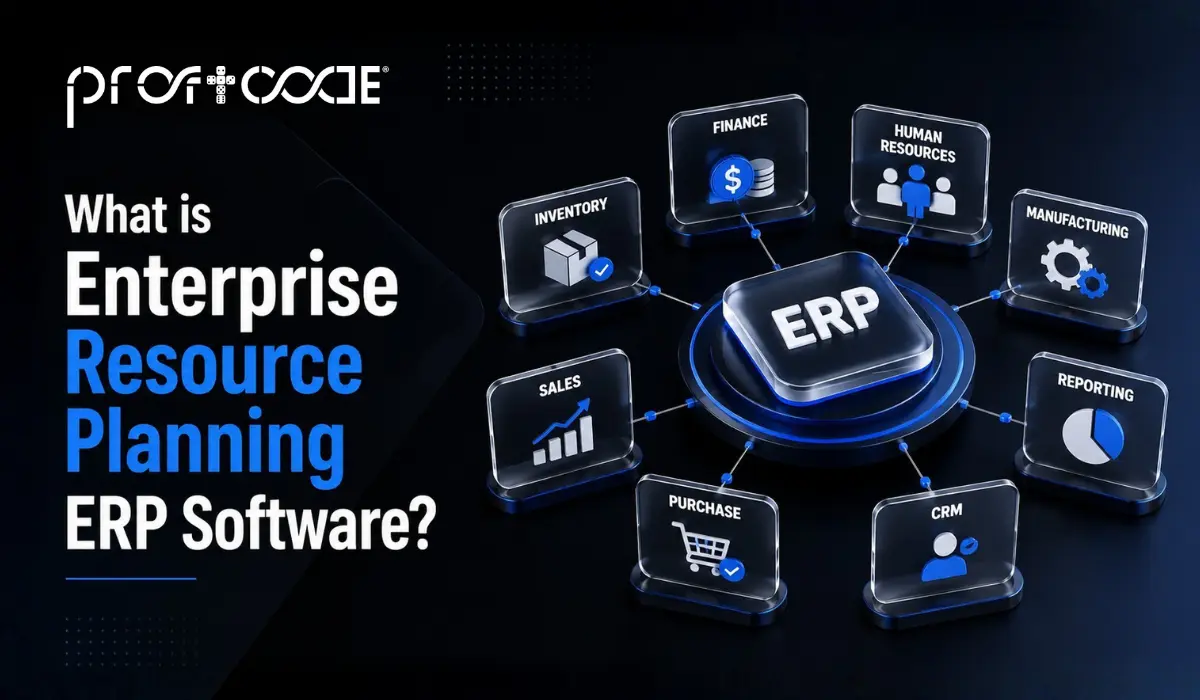
- ERP works like a business’s nervous system, connecting departments so data flows and updates in real time.
- Core uses span inventory, finance, sales/CRM, HR, procurement, and production planning all in one connected view.
- Beyond efficiency, ERP eliminates duplicate data entry and gives leadership real-time visibility for data-driven decisions.
- Off-the-shelf ERP deploys faster and cheaper but forces process adjustments; custom ERP costs more upfront but fits your workflow long-term.
- Deployment options on-premises, cloud, or hybrid trade off control, cost, and scalability differently.
- Common myths debunked: ERP isn’t just for large enterprises, doesn’t need a year to implement, and no two platforms work identically.
Most growing businesses reach a point where sales, inventory, finance, and HR all end up working off separate spreadsheets or disconnected tools. One team has one number, another team has a different one, and nobody is entirely sure which version is correct. This is exactly the gap that ERP software was built to close.
If you’ve ever wondered what ERP software is used for or why so many businesses are investing in it today, this guide breaks it down in plain, practical language. No heavy jargon, just the real picture.
So, What Exactly is ERP Software?
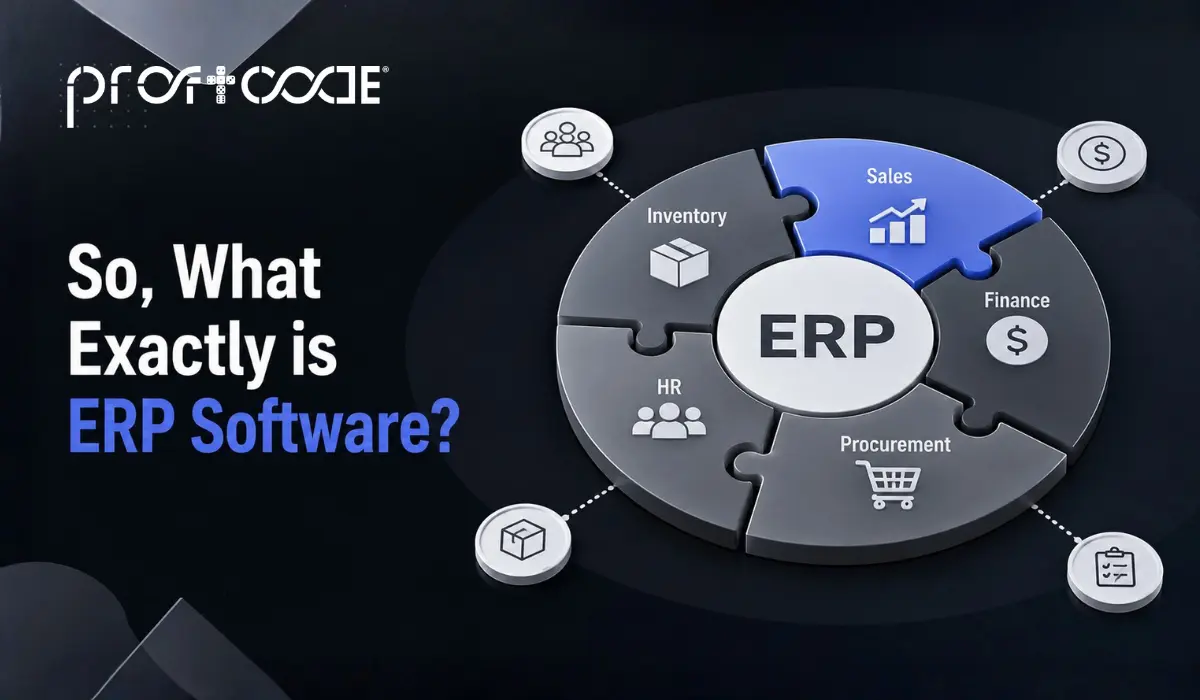
ERP stands for Enterprise Resource Planning. In simple words, it’s a single system that connects all the different departments of your business, sales, inventory, finance, HR, and procurement, into one shared platform.
Instead of five people working off five separate spreadsheets (and five separate versions of the truth), everyone works from the same live data. When inventory drops, finance sees it. When a sale happens, the warehouse team knows instantly. No more Thursday evening surprises.
Think of it like the nervous system of a business. Every department is a limb, and ERP is what makes sure the brain and the limbs are actually talking to each other in real time.
What is ERP software used for?
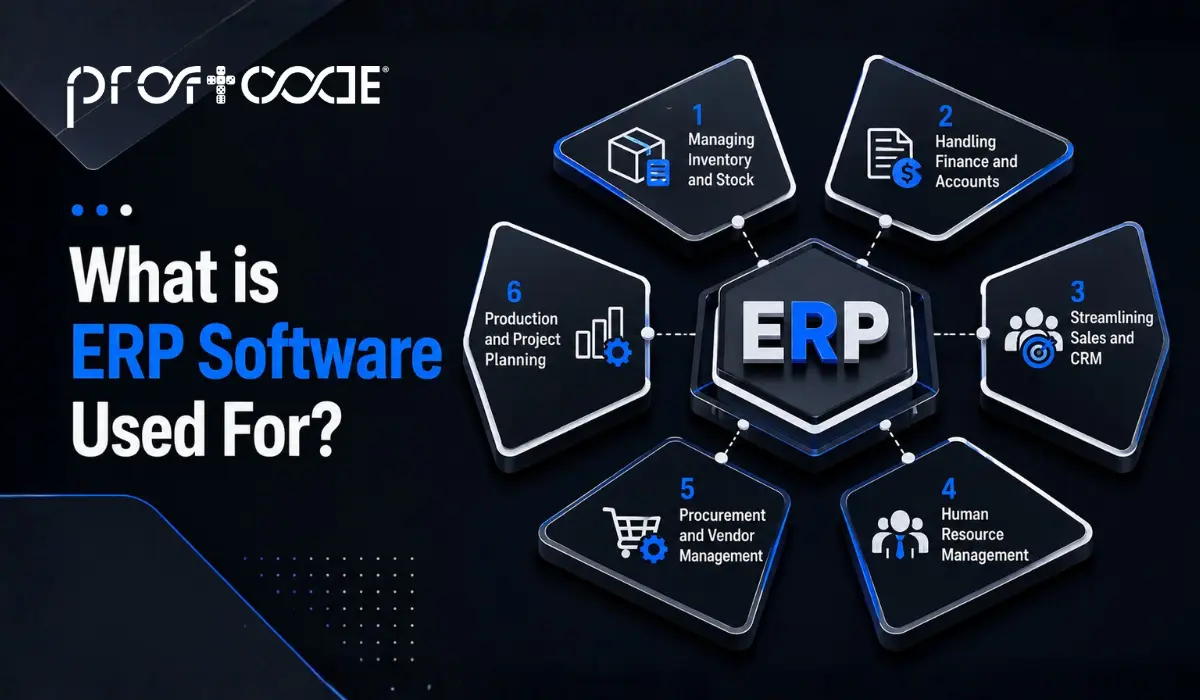
This question comes up a lot, and honestly, the answer is broader than most people expect. Here’s a practical breakdown of what businesses actually use ERP systems for.
1. Managing Inventory and Stock
- Tracks stock levels across multiple warehouses
- Sends alerts when stock runs low
- Reduces overstocking and understocking, both of which quietly eat into profits
2. Handling Finance and Accounts
- Automates invoicing, billing, and payment tracking
- Generates financial reports without manual number crunching
- Keeps a clean audit trail, which makes tax season a lot less painful
3. Streamlining Sales and CRM
- Tracks leads, orders, and customer history in one place
- Helps sales teams avoid promising stock that isn’t actually available in the warehouse
- Improves follow-ups because nothing slips through the cracks
4. Human Resource Management
- Manages payroll, attendance, and employee records
- Simplifies onboarding and leave approvals
- Reduces the endless back and forth over email for basic HR tasks
5. Procurement and Vendor Management
- Tracks purchase orders and vendor performance
- Helps negotiate better terms using real purchase history data
- Prevents duplicate or unnecessary purchases
6. Production and Project Planning
- Useful for manufacturing and construction businesses, especially
- Tracks material usage, project timelines, and resource allocation
- Flags delays before they turn into costly overruns
So when someone asks what ERP software is used for, the honest answer is this. It’s used for pretty much everything that keeps a business running, just organized in one place instead of scattered across ten different tools and three different people’s memories.
Read More: Cloud ERP vs Traditional ERP
Why Businesses Actually Need ERP (Beyond the Obvious)
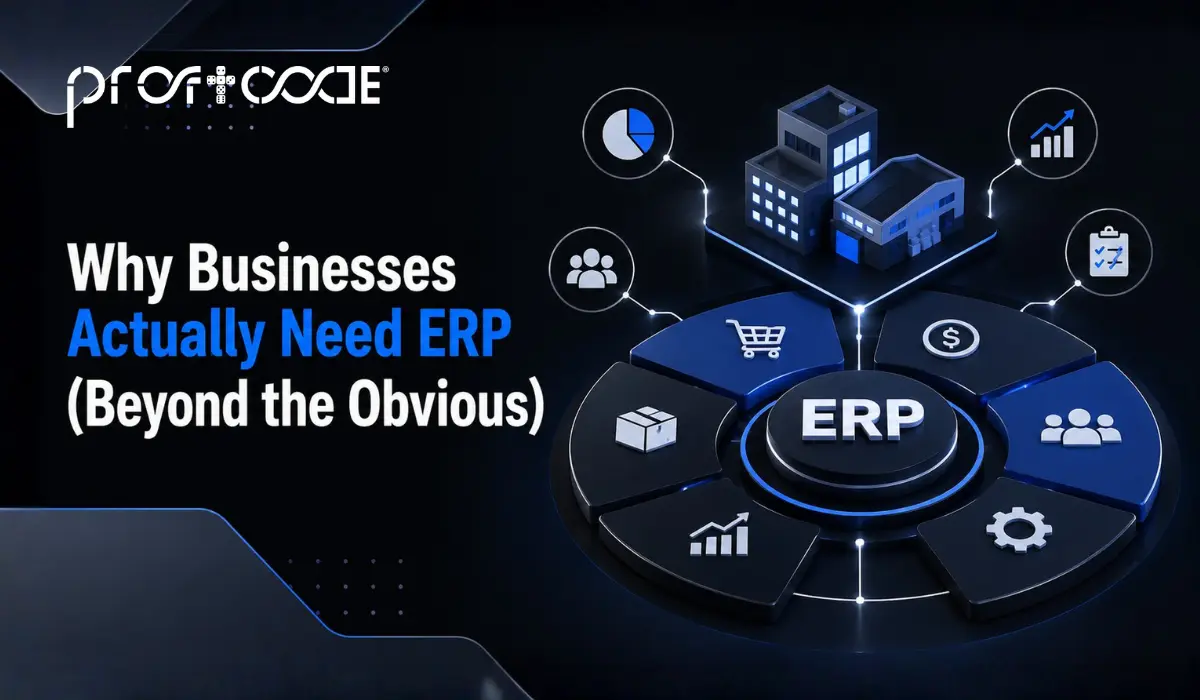
A lot of blogs stop at “it improves efficiency.” Fair enough, but let’s go a bit deeper.
- It removes duplicate data entry. Ever had someone update a customer’s address in one system, only for another department to still have the old one? ERP kills that problem because there’s just one record, not five.
- It gives real-time visibility. Owners and managers don’t have to wait for a monthly report to know how the business is doing. The numbers are right there, updated as things happen.
- It supports better decisions. When your data is scattered, decisions get made on gut feeling. When it’s unified, decisions get made on actual numbers. Big difference, especially when margins are tight.
- It scales with the business. A custom ERP development approach means the system grows as your company grows, instead of you outgrowing your own software every two years.
Read More about Complete ERP Guide for Businesses
Off-the-Shelf ERP vs Customized ERP Software
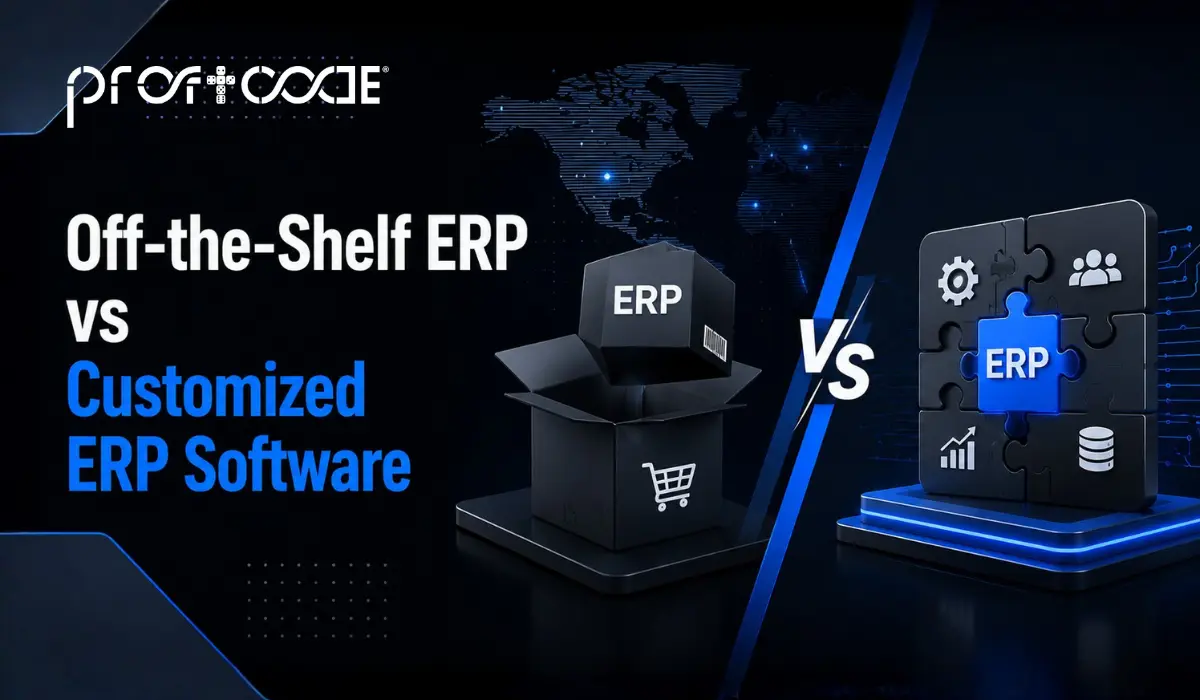
Here’s where a lot of businesses get stuck. Should you buy a ready-made ERP package or go for customized ERP software built around your actual processes?
Off-the-shelf ERP:
- Quicker to set up initially
- Cheaper upfront
- Comes with generic workflows that may not match how your business actually operates
- Often needs your team to adjust their processes to fit the software, not the other way around
Customized ERP software:
- Built around your existing workflows, not the reverse
- More accurate reporting because it reflects real business processes
- Slightly higher upfront investment, but usually saves money long-term
- Requires working with an experienced ERP software development company in India that understands your industry
Honestly, for businesses with unique processes (construction, manufacturing, multi-location retail), a generic system usually causes more friction than it solves. That’s why more companies are now choosing custom ERP software development services instead of forcing their operations into a rigid, one-size-fits-all mold.
Different Ways ERP Software Can Be Deployed
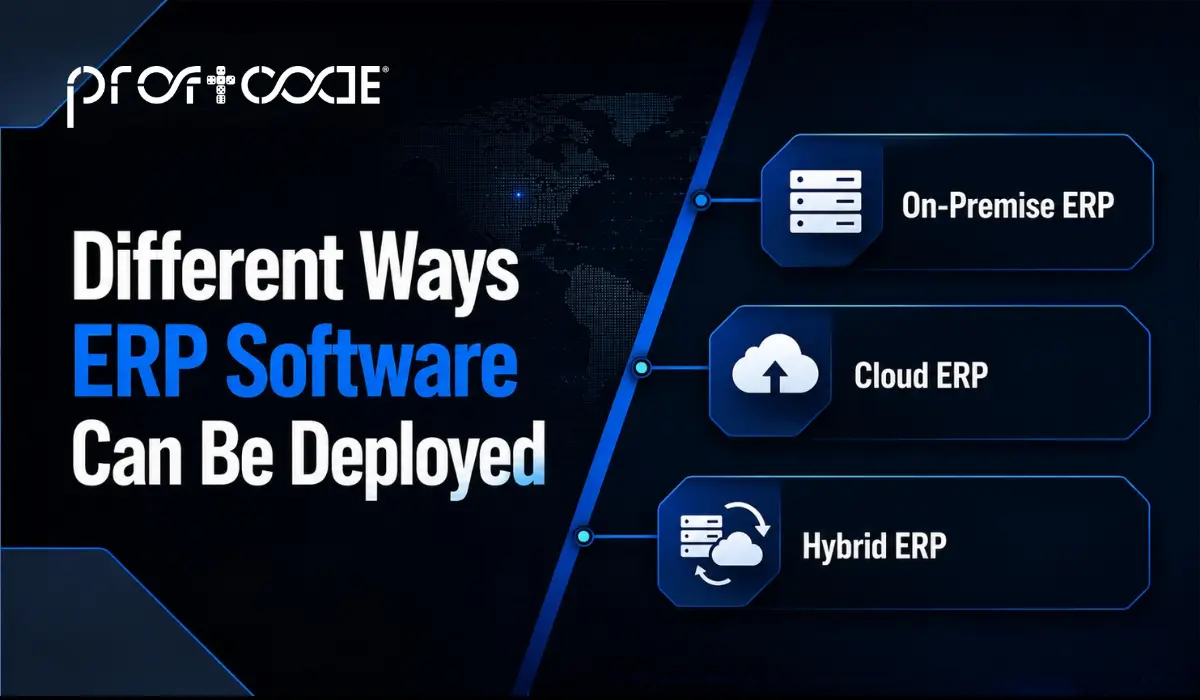
Another thing people rarely explain properly is that ERP isn’t just one flavor. It comes in a few different deployment types, and picking the wrong one can cause headaches down the line.
- On-premise ERP: This runs on your own company servers, physically inside your office. You get full control over data, which some regulated industries need. But it also means a higher upfront hardware cost and your own IT team handling maintenance, updates, and security patches.
- Cloud ERP: Hosted on remote servers, accessible from anywhere with an internet connection. Lower upfront cost, easier scaling, and updates are usually handled by the provider. This has become the more popular choice for growing businesses, especially ones with multiple locations or remote teams.
- Hybrid ERP: A mix of both. Some data and processes stay on-premise (often for compliance reasons), while other modules run on the cloud. It’s a reasonable middle ground for businesses transitioning slowly from old systems to newer ones.
Each option has its place. A logistics company with drivers spread across cities probably benefits more from cloud ERP. A defense contractor bound by strict data residency rules might lean towards on-premises. There’s no universal right answer here, only the right fit for your specific situation.
How ERP Software Actually Improves Day-to-Day Operations
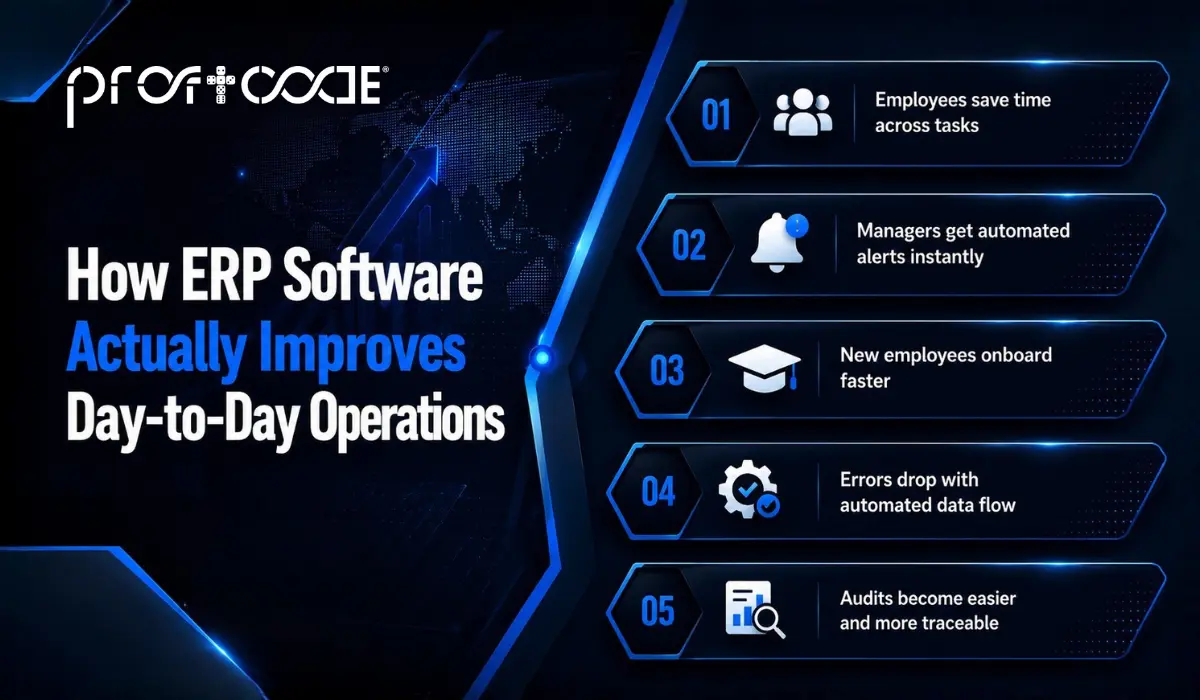
Beyond the big-picture benefits, there are smaller, everyday wins that often get overlooked.
- Employees spend less time switching between five different tools just to complete one task
- Managers get automated alerts instead of manually checking spreadsheets every morning
- New employees onboard faster because processes are documented within the system itself
- Errors from manual data entry drop significantly, since information flows automatically between modules
- Audits become far less stressful because records are organised and traceable from day one
None of these sounds dramatic on their own. But add them up over a year, and the time saved (and mistakes avoided) becomes genuinely significant for any growing business.
What Should You Look for in an ERP Software Development Company?
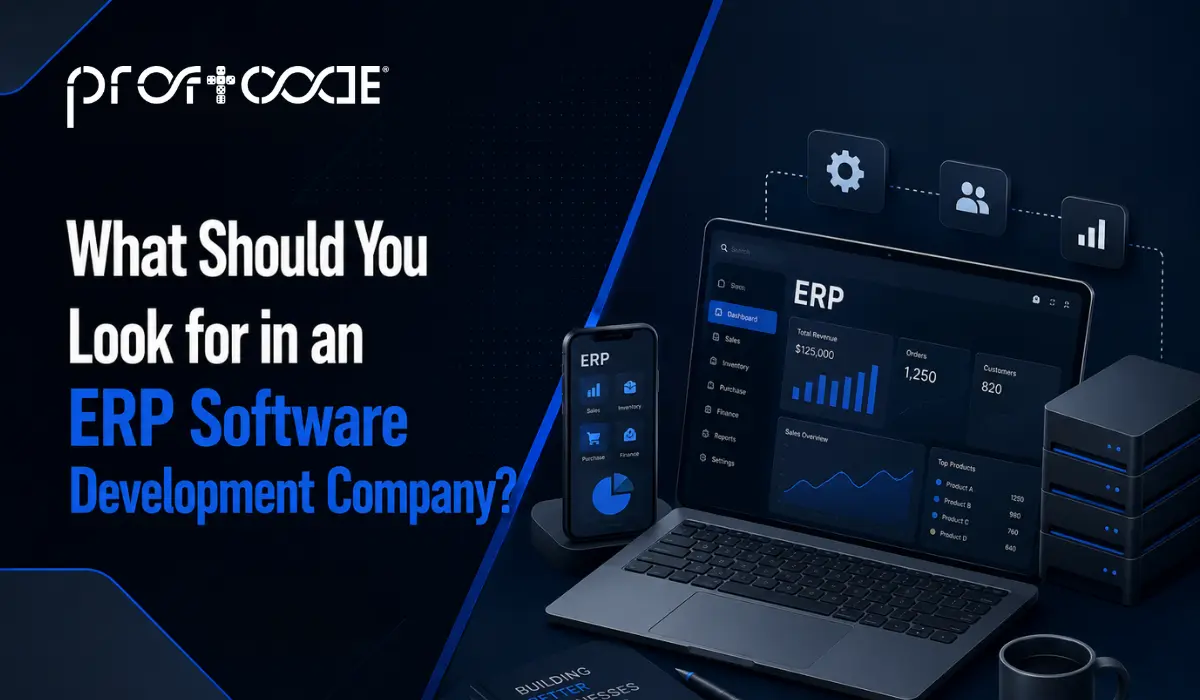
If you’re planning to build or upgrade your ERP system, choosing the right partner matters more than people realize. A poorly built ERP can actually slow your business down instead of speeding it up.
Here’s what to check before you commit:
- Industry experience: ERP software developers in India who understand your specific sector will ask smarter questions during requirement gathering.
- Post-launch support: ERP isn’t a one-time build. You’ll need updates, bug fixes, and occasional tweaks as your business changes.
- Clear timelines: Ask for a realistic project timeline, not a vague “few months” answer.
- Portfolio depth: Look at actual case studies, not just a logo wall on their website.
- Willingness to customize: A good custom ERP software development company will map your existing workflow first, not push a fixed template on you.
Common Myths About ERP Software (Let's Clear These Up)
Myth 1: ERP is only for large enterprises. Not true anymore. Cloud-based ERP has made it affordable and practical for small and mid-sized businesses, too.
Myth 2: ERP implementation always takes over a year. It depends heavily on the scope. A well-scoped, custom ERP development project can go live in a matter of weeks, not necessarily months.
Myth 3: Once implemented, ERP runs itself. Not quite. It needs periodic updates, training for new employees, and occasional process reviews to stay useful.
Myth 4: All ERP software works the same way. This one causes the most confusion. Generic ERP and customized ERP software can look similar on the surface but behave very differently once you’re actually using them day to day.
A Quick Self-Check Before You Move Forward
Before jumping into an ERP project, ask yourself these questions honestly:
- Are different departments in your business currently using disconnected tools?
- Do you often find conflicting numbers between sales, finance, and inventory?
- Is your current system unable to scale with your growth plans?
- Are decisions being delayed because reports take too long to compile?
If you nodded yes to even two of these, it’s probably time to have a proper conversation about ERP, whether that means building fresh or upgrading what you already have.
Final Thought
ERP software isn’t just another business tool sitting alongside your accounting software or your CRM. It’s the connective layer that ties everything together, so your teams stop working off different versions of the truth. Whether you choose an off-the-shelf system or go for fully customized ERP software, the real goal stays the same. One system, one source of truth, and far fewer surprises across departments.
Frequently Asked Questions
It’s a single software system that connects different business functions, like sales, inventory, finance, and HR, so everyone works from the same accurate data instead of scattered spreadsheets.
Most commonly, it’s used for inventory management, financial tracking, sales and customer management, HR processes, and procurement, all within one connected platform.
For businesses with specific workflows, yes. Customized ERP software development services usually reduce long-term costs because the system fits the business instead of forcing the business to adjust.
It varies by scope and complexity, but most custom projects with an experienced ERP software development company can go live within a few months, sometimes even weeks, for smaller builds.
Look for proven industry experience, transparent timelines, strong post-launch support, and a willingness to build around your actual processes rather than pushing a generic package.